
Affiliate fraud is the dark side of dating affiliate marketing, and understanding it matters both for advertisers protecting their spend and for honest affiliates protecting their reputation. This guide explains how it works and how to spot and prevent it.
What affiliate fraud is
Affiliate fraud is, at its simplest, claiming affiliate commissions that were not legitimately earned, by generating fake or worthless traffic, leads or conversions.
Dating affiliate marketing, as the revenue-share guidance describes, pays affiliates for the members they refer: per lead, per conversion, or as an ongoing revenue share. That payment model rests on an assumption, that the traffic, leads and conversions an affiliate delivers are genuine: real people, genuinely interested, who genuinely took the action being paid for.
Affiliate fraud breaks that assumption deliberately. A fraudulent affiliate, or a fraudster posing as an affiliate, generates traffic, leads or conversions that are not genuine, that are faked, automated, manufactured or otherwise worthless, and claims commission for them as if they were real. The advertiser pays, believing they have received genuine members; in fact they have received nothing of value, and their money has gone to a fraudster.
It is important to be clear about the line. Affiliate fraud is not the same as affiliate marketing that simply performs poorly. An honest affiliate whose genuine traffic happens to convert badly has not committed fraud; they have just had a poor campaign. Fraud is the deliberate generation of fake or worthless activity to claim payment for it. The defining element is the deliberate fakery.
For an affiliate, an advertiser, or a network, the starting point is to understand affiliate fraud as deliberate deception within the affiliate model: faking the very thing the model pays for. The rest of this guide explains why dating attracts it, what forms it takes, the damage it does, and how it is spotted and prevented.
Why dating attracts affiliate fraud
Dating is one of the categories most exposed to affiliate fraud, and an affiliate or advertiser should understand why, because the reasons explain why vigilance is necessary.
The first reason is that the commissions can be substantial. Dating, as the revenue-share guidance shows, has meaningful member value, recurring subscriptions and real lifetime value, and the commissions paid to affiliates reflect that. Where there is real money to be claimed, there is an incentive for fraudsters to try to claim it fraudulently. The size of the prize attracts the fraud.
The second reason is the category's history. Dating affiliate marketing has, historically, had loose corners. Parts of the wider dating-promotion world have operated with weak oversight, and that history has built up a population of bad actors familiar with the category and its weaknesses. The advertising-compliance guidance describes the dating category's history of misleading promotion; affiliate fraud is the related problem of fake promotion.
The third reason is the volume and the structure. Dating affiliate marketing operates at scale, with large flows of traffic, leads and conversions moving through networks and tracking systems. Scale and complexity create places for fraud to hide: in a huge flow of activity, fake activity can be harder to pick out than in a small, simple one.
The fourth reason is that some dating offers, particularly those paying on simpler actions like leads or simple signups, are easier to defraud than offers paying only on genuine, deep conversions. Where the paid action is shallow, a lead, a signup, faking it is easier than where the paid action requires a genuine paying member who stays.
For an affiliate or advertiser, the lesson is that dating's substantial commissions, loose history, scale and sometimes-shallow paid actions combine to make it a category that genuinely attracts affiliate fraud. That is not a reason to avoid dating affiliate marketing, which is a large and legitimate field; it is a reason to take fraud seriously.
The forms dating affiliate fraud takes
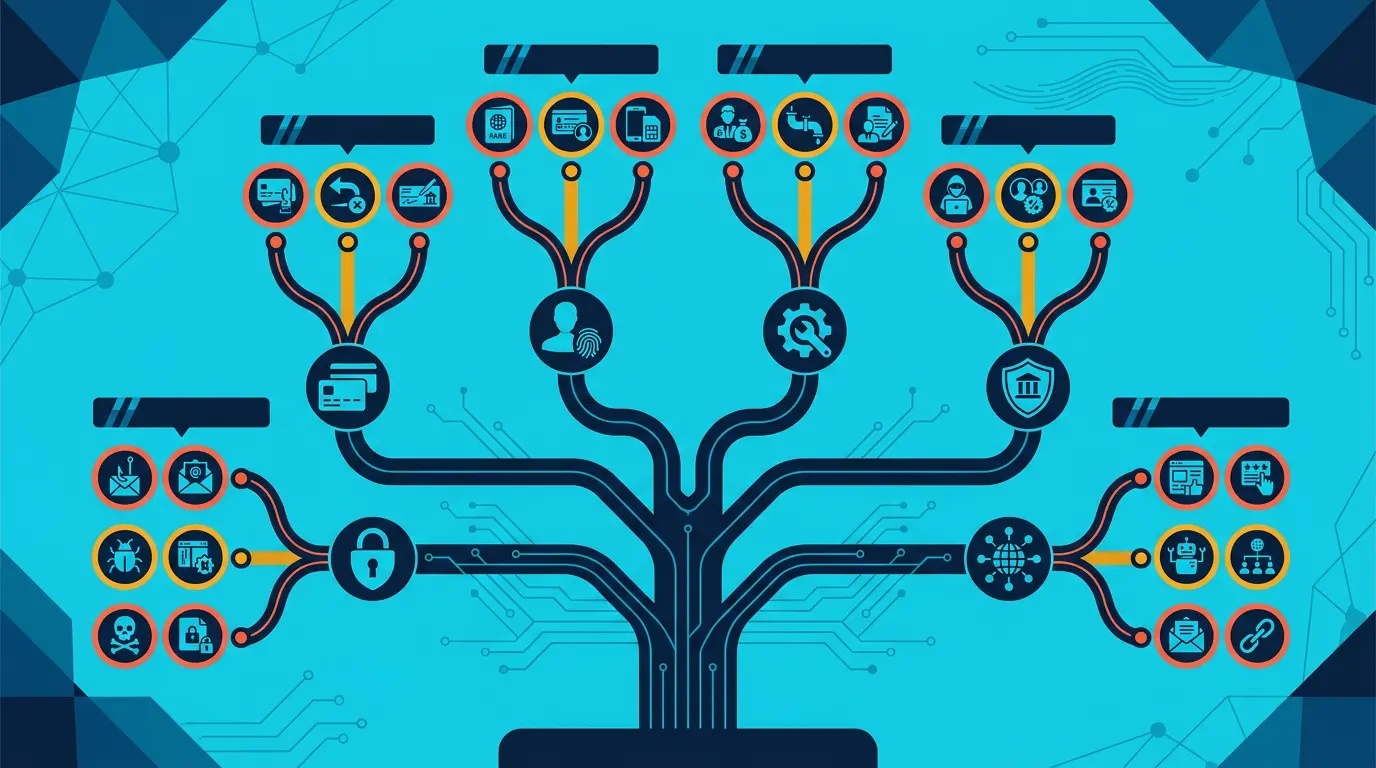
Affiliate fraud is not one thing; it takes several recognisable forms, and understanding them is the first step to spotting them.
There is traffic fraud: generating fake traffic, visits and clicks that are not real, interested people, often through automation. The bot-traffic section covers this.
There is lead and conversion fraud: generating fake or worthless leads, signups or conversions, so the paid action appears to have happened when no genuine member is behind it. The lead-fraud section covers this.
There is attribution fraud: manipulating the tracking that decides which affiliate gets credit for a conversion, so a fraudster claims credit for activity they did not genuinely drive. Cookie stuffing, where a fraudster causes affiliate tracking to be set on people they never genuinely referred, so they claim commission for conversions that would have happened anyway, is a well-known example.
There is incentivised and misrepresented traffic: driving signups through means that produce people with no genuine interest, for example by misleading them about what they are signing up to, or by incentivising the action so the person takes it for the incentive rather than because they want the dating service. The resulting members are technically real people but worthless as dating members.
There is identity and account fraud: the creation of fake accounts and profiles to manufacture the appearance of conversions.
These forms overlap and combine, and fraudsters evolve their methods. But they share the common thread of the definition: deliberately manufacturing the appearance of the genuine traffic, leads or conversions the affiliate model pays for, without the genuine substance.
For an affiliate or advertiser, the value of knowing the forms is recognition: fraud is not a single vague threat but a set of specific, recognisable techniques, and recognising them is what makes detection possible.
Bot and fake traffic
One of the most common forms of dating affiliate fraud is bot and fake traffic, and it is worth understanding specifically.
Bot traffic is traffic generated by automated software rather than by real people. Instead of real, interested humans clicking through to a dating offer, automated programs generate clicks and visits designed to look, to the tracking systems, like genuine human traffic. The fraudster runs these bots at scale, manufacturing large volumes of fake clicks and visits, and claims commission for the traffic, or for whatever further fake activity the bots are made to perform.
Fake traffic more broadly includes other ways of manufacturing visits and clicks that are not genuine interested people: traffic from sources that are not what they claim to be, traffic generated through manipulation rather than genuine promotion, traffic that is technically real in some narrow sense but has no genuine interest behind it.
The reason bot and fake traffic is attractive to fraudsters is that it can be generated cheaply and at scale. A fraudster does not have to do the genuine, effortful work of an honest affiliate, building an audience, creating content, running real campaigns. They run automation and manufacture the appearance of traffic.
Bot and fake traffic is most damaging on commission models that pay for shallow actions. On a model that pays per lead, or a model paying per click or per simple signup, bots and fake traffic can be made to produce the paid action directly. On a genuine model, where the affiliate only earns from members who genuinely pay and stay, bot traffic is far less effective, because bots do not become paying, retained dating members. This is one reason, noted later, that genuine-conversion-based models are more fraud-resistant.
For an affiliate or advertiser, the lesson is that bot and fake traffic is a core fraud technique, that it thrives on shallow paid actions, and that its hallmark is volume without genuine human substance, which the detection section shows how to spot.
Lead and conversion fraud
The other core form of dating affiliate fraud is lead and conversion fraud, where the fraud targets the leads and conversions themselves rather than just the traffic.
Lead fraud is the generation of fake or worthless leads. On a CPL model that pays per lead, a fraudster manufactures leads, fake signups, fake registrations, fake form completions, that the tracking records as leads delivered, so the fraudster is paid per lead. The leads are not real, interested people; they are fabricated, or they are real people manipulated into a meaningless action.
Conversion fraud is the same idea aimed at the conversion event. On a CPA model that pays per converting member, a fraudster manufactures the appearance of conversions: fake accounts, faked conversion actions, manipulation of the conversion tracking, so the fraudster is paid per conversion for conversions that have no genuine paying member behind them.
A particular and damaging variant is misrepresented and incentivised signups. Here the people may be real, but they have been driven to sign up by deception, told the dating service is something it is not, or by an incentive unrelated to dating, so they sign up for the incentive. The result is a "lead" or even a "conversion" that is a real person with zero genuine interest in dating. They will never engage, never pay, never stay. To the tracking it looked like a delivered member; to the dating site it is worthless.
This variant matters because it blurs the line. It is not always crude, obvious automation; it can be a real human funnel that nonetheless delivers worthless members through deception. An advertiser checking only for bots can miss it. The test is genuine interest and genuine value, not merely whether a human was involved.
For an affiliate or advertiser, the lesson is that lead and conversion fraud attacks the paid actions directly, that it ranges from crude fakery to deceptively-driven real people, and that the true test is always whether a genuine, interested, valuable member is behind the recorded action.
The damage fraud does
It is worth being clear about the damage affiliate fraud does, because the damage falls on more parties than people assume, and understanding it is what motivates everyone honest to take fraud seriously.
The most obvious victim is the advertiser, the dating operator or platform paying the commissions. Affiliate fraud means the advertiser pays for traffic, leads or conversions that are worthless. Their money goes to a fraudster and they receive nothing of value: no genuine members, no real revenue. Fraud is, directly, a theft of the advertiser's marketing budget.
But the advertiser is not the only victim, and this is the point honest affiliates most need to understand: affiliate fraud also damages honest affiliates, in real ways.
It damages them by association. Fraud gives dating affiliate marketing a bad reputation. When advertisers and networks have been defrauded, they become suspicious of affiliates in general, and the honest affiliate operates under a cloud of suspicion created by fraudsters.
It damages them by tightening terms. When fraud is rife, advertisers and networks respond by tightening their terms, their controls, their payment conditions, their scrutiny, for all affiliates. The honest affiliate finds the whole environment harder, slower, more restrictive, more suspicious, because of fraud they did not commit. The shift toward genuine-conversion-based and RevShare models, and away from easy-to-defraud shallow-action models, is partly a response to fraud, and it changes the terms honest affiliates work under.
It damages them by competition. Fraud, while it works, lets fraudsters appear to outperform honest affiliates, distorting the field.
And fraud damages the whole ecosystem: it makes advertisers warier of affiliate marketing, shrinking the genuine opportunity for everyone.
For everyone honest, the lesson is that affiliate fraud is not a victimless gaming of advertisers. It steals from advertisers and it genuinely harms honest affiliates, which is why, as a later section argues, the honest affiliate has a real stake in fraud being stamped out.
Detecting and preventing fraud
Detecting and preventing affiliate fraud is mainly the work of advertisers and networks, but understanding how it is done is useful for everyone, including honest affiliates. The core idea is monitoring quality, not just quantity.
Fraud detection rests on the recognition that fraudulent traffic, leads and conversions, however well disguised, tend to behave differently from genuine ones, and that those differences can be watched for.
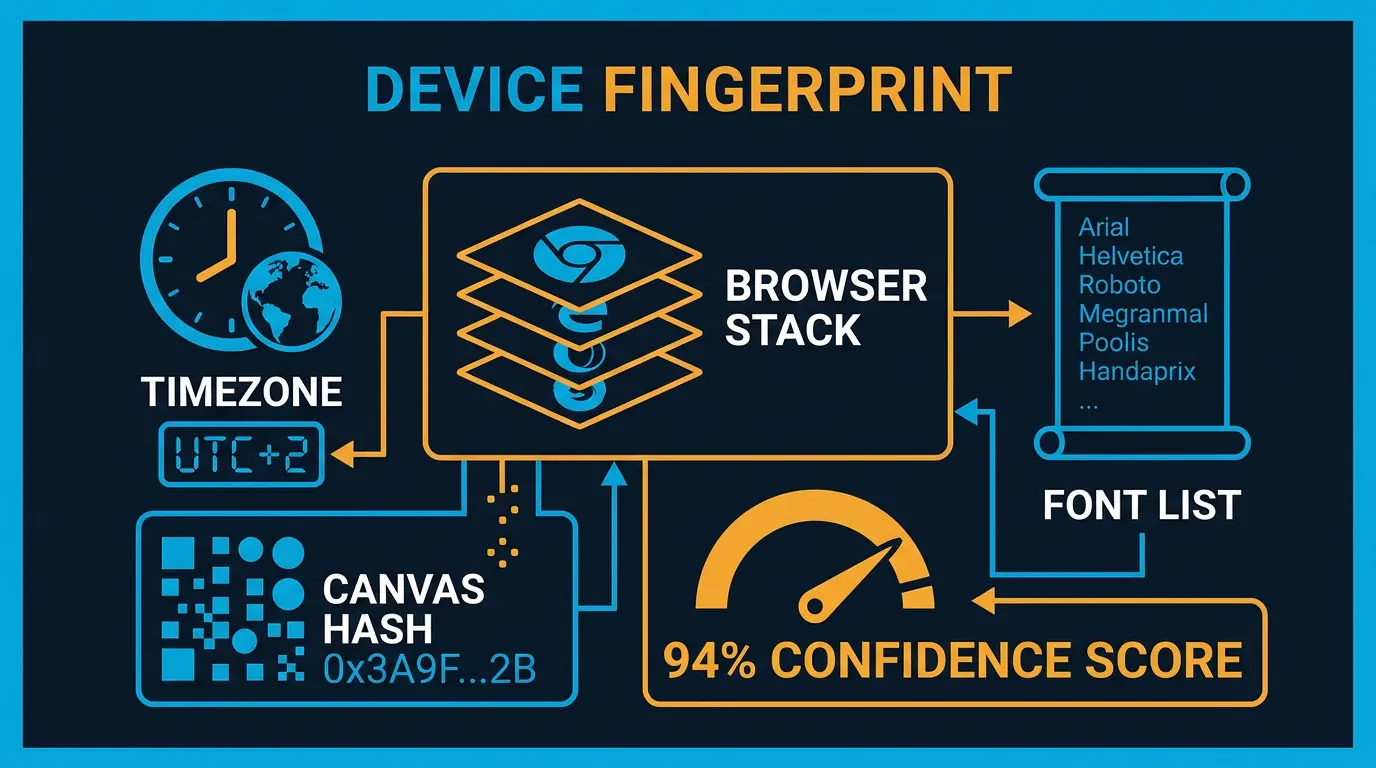
Detection watches traffic quality. Genuine human traffic from genuine promotion has characteristics, in how it behaves, where it comes from, how it engages, that fake and bot traffic struggles to replicate convincingly. Monitoring for the signatures of automated and fake traffic, traffic that does not behave like real interested people, is a core detection method.
Detection watches conversion quality and what happens after the conversion. This is the most powerful method, and it connects directly to the commission models. A genuine referred member, after the recorded conversion, does genuine things: they engage with the dating site, they behave like a real member, and, crucially, on a genuine paying basis they pay and they stay. A fraudulent "conversion" does not: the fake account does nothing, the deceptively-driven signup never engages, the bot never becomes a paying member. By watching what referred members actually do after conversion, whether they engage, pay and retain, an advertiser can tell genuine affiliate value from fraud, because fraud cannot fake genuine ongoing member behaviour.
Detection watches patterns. Fraud at scale tends to produce patterns, in volumes, in timing, in sources, in the uniformity of behaviour, that differ from the messier, more varied pattern of genuine activity. Monitoring for those patterns surfaces fraud.
Prevention also includes structural choices. Commission models matter: as noted, models that pay only for genuine, deep, retained conversions, genuine-conversion CPA and especially RevShare, are far harder to defraud than models paying for shallow actions, because the fraudster would have to fake genuine ongoing paying membership, which fraud cannot do. Choosing fraud-resistant models is itself prevention. So is careful vetting of affiliates and partners, and clear terms.
For everyone, the lesson is that fraud is detected and prevented mainly by monitoring genuine quality, especially post-conversion behaviour, by watching for patterns, and by choosing fraud-resistant commission structures.
The honest affiliate's stake
This section speaks directly to honest affiliates, because the honest affiliate has a genuine stake in fraud prevention that they should recognise and act on.
It can be tempting for an honest affiliate to see affiliate fraud as someone else's problem, a battle between fraudsters and advertisers that does not concern them. The damage section showed why that view is wrong: fraud damages honest affiliates, through reputational taint, tightening terms, distorted competition and a warier overall ecosystem. The honest affiliate pays a price for fraud they did not commit.
This means the honest affiliate's interests are aligned with the advertisers and networks against the fraudsters, not with the affiliate "side" against the advertiser "side". The honest affiliate genuinely benefits from fraud being detected and stamped out, because a cleaner ecosystem is one with better terms, more trust, and more genuine opportunity for honest work.
So the honest affiliate has things to do. They should run genuinely clean operations: real promotion, real audiences, genuine traffic, and never anything that shades toward the misrepresented or incentivised signups that produce worthless members, even though those can superficially look like performance. They should be willing to work with advertisers' and networks' fraud controls rather than resenting them, understanding that those controls exist because of fraudsters and that an honest affiliate has nothing to fear from quality monitoring, indeed benefits from it, because quality monitoring is exactly what distinguishes their genuine work from fraud.
The honest affiliate should also recognise that the move toward genuine-quality-based models, RevShare and genuine-conversion CPA, while it can feel like tighter terms, actually rewards them. Those models pay for genuine member quality, which is exactly what an honest affiliate delivers and a fraudster cannot. In a fraud-resistant, quality-based model, the honest affiliate's genuine work is worth more and the fraudster's fake work is worth nothing.
For an honest affiliate, the lesson is to see fraud prevention as being on their side: run genuinely clean, cooperate with quality monitoring, and recognise that fraud-resistant, quality-based models reward genuine work. The honest affiliate and the fraudster are not allies; they are competitors, and a clean ecosystem is the honest affiliate's friend.
The advertiser and network role
Fraud prevention is led by advertisers and the affiliate networks, and an affiliate should understand the role these parties play, because it shapes the environment the affiliate works in.
The advertiser, the dating operator or platform paying the commissions, has the strongest direct interest in preventing fraud, because they are the party whose money is stolen. A serious advertiser monitors the quality of what affiliates deliver, watches post-conversion member behaviour, detects fraud patterns, structures commissions on fraud-resistant models, and acts against affiliates found to be defrauding them. On a platform, much of this sits with the provider, who runs the platform and has the data to see how referred members actually behave.
The affiliate network, where one is involved, sits between affiliates and advertisers and has its own role: vetting affiliates, monitoring for fraud across its programmes, enforcing its terms, and maintaining the integrity of the marketplace it runs. A good network is an active fraud-fighter; a weak or careless network is a place fraud flourishes. The affiliate-network guidance returns to this as a criterion for choosing a network.
For the honest affiliate, the practical implication is twofold. First, the advertiser's and network's fraud controls are a fact of the environment, and, as the previous section argued, the honest affiliate should work with them rather than against them. Second, the seriousness with which an advertiser or network fights fraud is itself a signal of quality: an advertiser or network that takes fraud seriously is running a cleaner, more trustworthy marketplace, which is a better place for an honest affiliate to work. An advertiser or network that is careless about fraud is one where the honest affiliate will suffer the reputational and competitive damage fraud causes.
For an affiliate, the lesson is that advertisers and networks lead fraud prevention, that their controls shape the affiliate's environment, and that a partner who fights fraud seriously is a better partner for an honest affiliate, not a more burdensome one.
Common mistakes
The defining mistake, for an honest affiliate, is treating affiliate fraud as someone else's problem, when fraud genuinely damages honest affiliates through reputational taint, tightening terms and distorted competition.
The second, for an affiliate, is drifting toward the grey edge, misrepresented or incentivised signups that produce worthless members, which can look like performance but is a form of fraud that delivers nothing of genuine value.
The third, for an advertiser, is monitoring only volume and not quality, counting clicks, leads and conversions without checking whether genuine, engaging, paying, retained members are behind them.
The fourth, for an advertiser, is paying on easily-defrauded shallow actions without recognising that genuine-conversion and RevShare models are far more fraud-resistant. The fifth, for everyone, is choosing or tolerating a careless network or advertiser that does not take fraud seriously, which makes the whole environment worse for honest participants. Run clean, monitor quality, choose fraud-resistant models, and work with serious partners.
What to read next
For the commission models and their fraud resistance, read dating revenue share explained. For choosing a serious network, see how to choose a dating affiliate network. For the measurement that surfaces fraud, read dating affiliate KPIs and reporting. And to understand how a dating advertiser monitors member quality, DatingPartners.com can walk through it.
DatingPartners runs fraud detection transparently. Legit traffic gets paid. Apply today.
Visit DatingPartners.com →