
Why a Human Moderation Team Matters
Human moderators are the backbone of trust and safety on dating platforms. They make nuanced decisions AI misses, handle complaints with empathy, and respond to urgent situations in real time.
Profile reviews, conversation monitoring, and user reports all require human judgment. A bot can flag suspicious images, but a moderator understands context, regional differences, and whether a user is genuinely trying to connect or working a scam. On dating platforms specifically, moderators screen for predatory behavior, verify age claims, and catch catfish before real harm happens.
The fastest-growing dating platforms invest heavily in moderation during their first year of operation. It's not just a cost center; it's a competitive advantage.
Determining Your Team Size
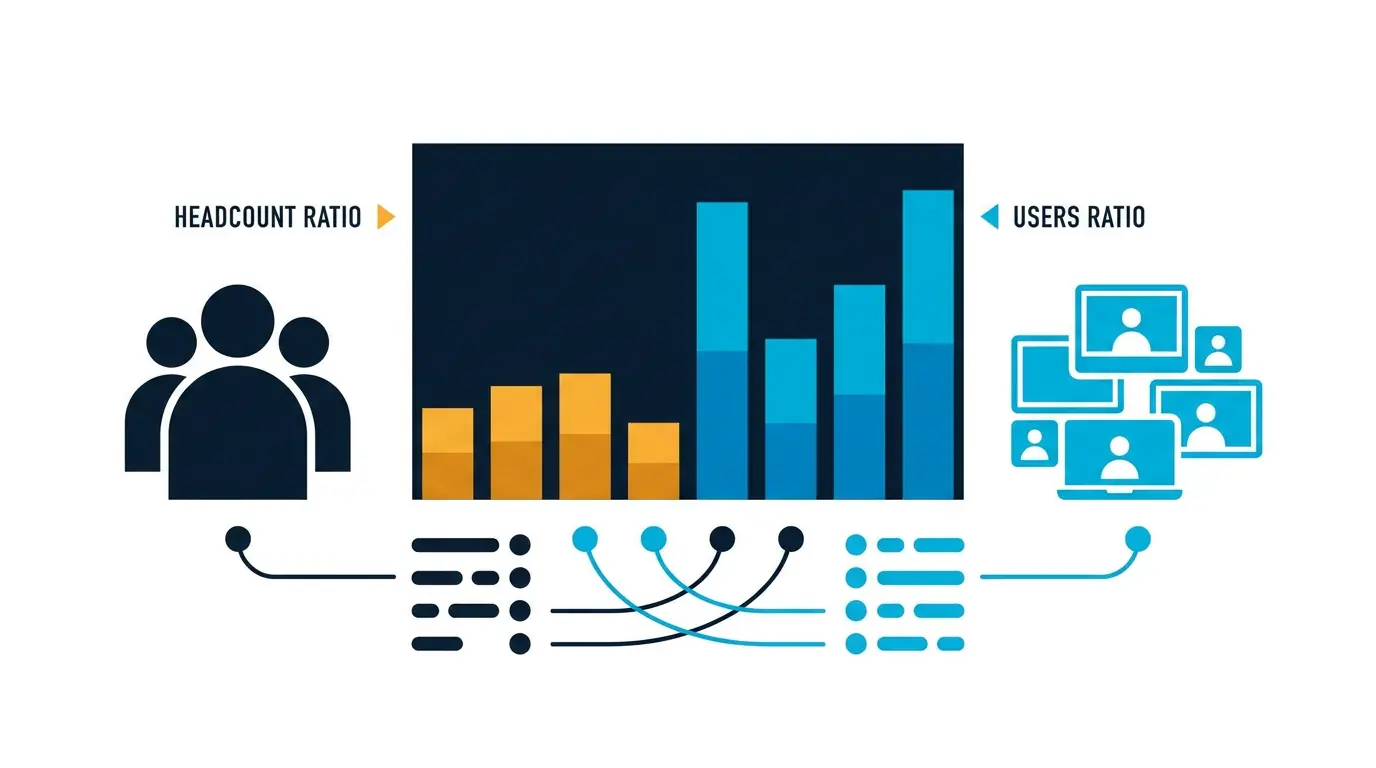
How many moderators do you actually need? This depends on three factors: daily active users (DAU), content generation rate, and your safety standards.
Moderation Team Sizing Formula
| Platform Size | Estimated DAU | Recommended Team | Cost per User |
|---|---|---|---|
| Early stage | 1,000-5,000 | 2-3 | $2-5 per user |
| Growing | 5,000-50,000 | 5-15 | $0.80-2 per user |
| Scaling | 50,000-500,000 | 20-60 | $0.40-1.50 per user |
| Mature (500k+ DAU) | 500,000+ | 75-200+ | $0.20-1 per user |
These benchmarks assume:
- 24/7 coverage (or adjusted for your service hours)
- 2-3 minute average resolution time per report
- Mix of automated and manual moderation
- Full escalation and appeals process
Most platforms start lean (2-3 moderators handling both profiles and reports), then specialize as they grow. One team handles profile verification, another handles report investigations, and a third handles escalations and appeals.
In-House vs. Outsourced Moderation
This is the biggest structural decision you'll make. Each approach has real tradeoffs.
In-House Moderation
Pros:
- Full control over training and consistency
- Direct management of moderator wellbeing
- Faster decision-making and escalation
- Your team understands your platform culture
- Better retention and institutional knowledge
Cons:
- Higher fixed costs
- Harder to scale quickly during growth spikes
- You manage HR, benefits, and burnout
- Difficult to cover global time zones without remote hiring
- Need dedicated management infrastructure
Outsourced Moderation
Pros:
- Flexible scaling (add 10 moderators tomorrow if needed)
- Cover multiple time zones without remote hiring complexity
- Vendor handles HR and benefits
- Lower upfront costs
- Access to established training programs
Cons:
- Less control over quality and consistency
- Slower escalation on difficult cases
- Higher per-unit costs at scale
- Potential cultural misalignment with your platform
- Vendor dependency and service level variations
Hybrid approach: Many successful platforms use in-house leads (3-5 people managing quality and escalation) plus outsourced volume moderators (10-30 people handling straightforward reports). This gives you control where it matters most and flexibility for scaling.
Hiring the Right Moderators
Moderation work is demanding. You need people who are detail-oriented, empathetic, and emotionally resilient. Don't just hire from customer support teams.
What to Look For
Temperament: Screening questions should assess emotional resilience ("Tell me about a time you had to deliver bad news to someone"), patience under pressure, and ability to remain objective. Moderators will see disturbing content; they need to process it without letting it bias their judgment.
Judgment: Give candidates real scenarios during interviews. "A user reports another user for being rude in a conversation. You read the messages and see banter that crossed a line but no explicit harassment. How do you proceed?" Listen for nuance, not black-and-white thinking.
Cultural fit: Your moderators need to understand your platform's values. If you're positioning as inclusive and LGBTQ-friendly, you need moderators who genuinely believe that, not people just executing a rulebook.
Attention to detail: Typos, missed context clues, and inconsistent decisions are red flags. Consider practical tests (review a profile and report on what you notice, document a conversation in real time, etc.).
Red Flags in Hiring
- Candidates who ask "What shouldn't I moderate?" instead of "What should I prioritize?"
- People motivated purely by income with no interest in the safety mission
- Anyone who mentions previous moderation work they quit due to burnout without reflecting on how to prevent it
- Lack of curiosity about your specific platform's community and rules
Training Program Structure
A good moderation training program takes 3-4 weeks for new hires. Budget for this from day one.
Week 1: Foundations
- Platform walkthrough (UI, matching mechanics, messaging, verification)
- Community guidelines deep-dive (what's allowed, what isn't, why it matters)
- Policy interpretation (guidelines are principles; policies are specific rules)
- Historical case studies (how similar situations were handled, why decisions were made)
- Live moderation observation (new hires watch experienced moderators work for 8-16 hours)
Week 2-3: Hands-On with Oversight
- Shadow moderation with feedback (new hires moderate while being reviewed)
- Structured QA (manager reviews every decision for accuracy and consistency)
- Edge case training (the 10% of reports that don't fit cleanly into guidelines)
- Communication templates (responding to reports, explaining decisions, handling appeals)
- Technical tools training (case management system, escalation workflows, analytics)
Week 4: Independence with Check-Ins
- Independent moderation with daily manager debriefs
- Quality spot-checks (manager reviews 10-20% of decisions randomly)
- Peer review (moderators review each other's decisions on hard cases)
- Feedback loops (ask moderators what's unclear, where they struggle)
Ongoing Training
- Monthly policy updates (as community evolves, so do your rules)
- Quarterly case review sessions (lessons learned from big decisions)
- Scenario-based workshops (new types of fraud, emerging scams, platform changes)
Managing Shift Patterns
24/7 safety requires covering multiple time zones. How you structure shifts affects both moderator wellbeing and your coverage.
!Moderation team sizing calculator showing relationship between DAU and required moderators *Moderation team sizing calculator showing relationship between DAU and required moderators*
Coverage Models
Three-shift rotation (most common): Midnight-8am, 8am-4pm, 4pm-midnight. Each moderator works 5 days on, 2-3 days off, rotating shifts every month. Provides full coverage but requires careful management to prevent burnout from constant rotation.
Regional approach: Team A (European time zone), Team B (US East Coast), Team C (US West Coast). Each team works normal business hours in their region, covering 8am-10pm UTC. Reduces rotation burden but creates handoff challenges and potential coverage gaps.
Hybrid: Core in-house team (8am-6pm your time zone) for complex escalations plus outsourced vendor for nights and weekends. Most startup-friendly approach.
Scheduling Principles
- No more than 2-3 consecutive night shifts before a break
- Rotate shifts on longer cycles (monthly, not weekly) to avoid constant adjustment
- Give moderators predictable schedules at least 2 weeks in advance
- Allow shift swaps and protect PTO time
- Monitor actual shift length (do moderators work extra hours handling edge cases?)
Moderator Wellbeing and Burnout Prevention
Moderation exposure is a real occupational hazard. Your moderators see the worst content on your platform daily. Without intervention, burnout happens fast.
Common Burnout Triggers
- Decision fatigue (making 100+ judgment calls daily is exhausting)
- Vicarious trauma (repeated exposure to violent, sexual, or graphic content)
- Impossible tradeoffs (being asked to enforce rules that feel unjust)
- Lack of recognition (safety work is invisible when it's done well)
- Inconsistent management (sudden policy changes without explanation)
Prevention Strategies
Content rotation: Moderators shouldn't review high-risk content (violent, sexual, or graphic material) for more than 4-6 hours per shift. Rotate them into lower-intensity work like profile verification or appeal review. This isn't weakness; it's sustainable operations.
Psychological support: Offer moderators access to an employee assistance program (EAP) with mental health professionals who understand moderation work. Make it clear this is normal, expected, and not a performance issue.
Case debriefs: After handling a particularly difficult report (involving violence, child safety, harassment victim), have the moderator debrief with their manager. 10 minutes of reflection prevents trauma accumulation.
Regular feedback: Tell moderators when they made a good call, even if it was hard. "I saw you handled that appeal thoughtfully even though the user was upset" builds confidence and reduces doubt.
Autonomy: Where possible, let moderators decide how to handle routine cases. Rigid scripts and micro-management increase burnout. Moderators are professionals; trust their judgment.
Career paths: Show moderators there's a future. Some move to QA roles, others to policy work, others to trust and safety management. Moderation is a entry-level role, but it doesn't have to be a dead end.
Escalation Procedures
Not every decision is final when made. Your escalation procedure determines how errors are caught and how users regain trust.
Escalation Tiers
Tier 1: First-line moderator handles routine reports (profile verification, straightforward spam, obvious policy violations). Speed matters; most decisions should close within 2-3 hours.
Tier 2: Senior moderator or lead handles appeals, edge cases, and decisions that could affect a user's long-term standing (account suspension, payment disputes). Requires 2-4 hours for thorough review.
Tier 3: Trust and Safety manager or Legal handles policy questions, precedent-setting decisions, law enforcement cooperation, and edge cases involving minors or violence.
Tier 4: Executive decision (rare) happens when a decision contradicts your stated values or creates significant liability risk.
Escalation Triggers
Automatically escalate if:
- A user appeals a decision within 7 days
- A report involves content depicting minors
- A user claims harassment or safety concerns
- A decision is inconsistent with a recent similar case
- The moderator is unsure and flagged it themselves
Documentation Standards
Every escalation must include:
- Original report (what triggered the review)
- Initial decision and reason
- New evidence or context discovered on appeal
- Decision and clear explanation
- Precedent for future similar cases
Users should be able to see why you made a decision, even if they don't agree. This transparency builds trust and reduces frivolous appeals.
Key Takeaways
- Human moderation is the foundation of user trust on dating platforms. Invest early, not as an afterthought.
- Start with 2-3 moderators for early-stage platforms; scale based on DAU growth and report volume, not arbitrary ratios.
- Choose between in-house (control, stability) and outsourced (flexibility, cost) based on your growth stage. Hybrid teams work best at scale.
- Hiring for moderation requires assessing emotional resilience and judgment, not just customer service skills.
- Four-week onboarding is standard; underfunding training leads to inconsistent decisions and user trust erosion.
- Shift patterns and wellbeing management directly impact decision quality and retention. Don't treat moderators as interchangeable resources.
- Clear escalation procedures catch errors, build user trust, and create accountability.
Your moderation team is your platform's immune system. Build it thoughtfully, support it generously, and it will protect your community and your business.
Cross-link to: Content Moderation for Dating, AI Moderation for Dating, User Reporting Systems
Ross Williams advises operators on t&s team design. Book a strategy call.
Visit DatingPartners.com →