
Why the First 1,000 Are Different
A dating site is a two-sided marketplace. Restaurants need customers and food. Movies need viewers and theaters. Dating sites need men and women (or your specific demographic).
The chicken-and-egg problem is real. Here's why the first 1,000 members are so hard:
Low credibility: A dating site with 50 members looks untrustworthy. "Is anyone actually here? Are these real people?" Users won't invest time signing up.
Unfavorable gender ratio: Most dating platforms see a skew toward men initially. If your first 500 users are 80% male, women will quickly delete and switch to competitors.
Low quality connections: With fewer members, matches are worse. Users who get matched with incompatible people leave.
No social proof: No reviews, testimonials, or "success stories." No one can vouch that the platform works.
Established platforms have moats that new ones don't: network effects, brand recognition, millions of profiles to choose from. Your only advantage is focus. Target one narrow niche, geography, or demographic where you can achieve critical mass quickly.
Organic Growth Strategies
Founder and Team Networks
Your earliest members come from people who know you.
- Email your personal network. Be honest: "I'm launching a dating site focused on [niche]. We're looking for real people to help us build it. Want to join and give feedback?"
- Leverage your team's networks. If your founding team combined has 500 professional connections, you've got your initial pool.
- Ask early members to invite friends. This works better than any marketing channel early on because social proof compounds.
Frame this as a beta test or exclusive early access, not a "we need bodies to make this work" pitch. People want to feel part of something special. Make sure you have solid identity verification and safety systems in place before recruiting - early users notice trustworthiness immediately.
Community Targeting
Dating sites thrive when focused on communities with strong identity and clear interests.
Examples of community-focused launches:
| Niche | Community Access Method | Why It Works |
|---|---|---|
| Tech industry professionals | Tech meetups, LinkedIn groups, startup events | Pre-existing networks, shared values |
| LGBTQ+ | Pride events, LGBTQ+ community centers, activist groups | Strong community identity, word-of-mouth spreads fast |
| Religious groups | Faith-based organizations, religious universities, church groups | Built-in trust, shared values filter |
| Athletes | Fitness communities, gym networks, running clubs, sports leagues | Consistent spaces where people congregate |
| Single parents | Parent networking groups, co-parenting forums, online communities | Underserved demographic, high motivation to meet people |
| Specific age group | Alumni networks, age-specific Facebook groups, meetup.com groups | Clear demographic targeting |
The key: find communities where people already gather. That's where you recruit.
High-Intent Online Communities
Reddit, Facebook groups, Discord servers, and Slack communities are goldmines for targeted recruitment.
- Reddit: Subreddits like r/datingoverthirty, r/lgbtq, r/christiansingles are full of people actively thinking about dating. Create helpful posts, build credibility, mention your platform when relevant.
- Facebook Groups: Join groups targeted at your demographic. Participate genuinely. When someone asks "what apps do you use," you can mention yours.
- Niche forums: If you're building for dog lovers, join dog-enthusiast forums. Photographers? Photography communities.
Important: Don't spam. Add value first. Spammy recruitment gets you banned and damages credibility.
Influencer Seeding
This is controversial territory, so we'll address ethics later. But early-stage dating platforms often seed their platform with attractive, interesting people to improve the initial user experience.
- Micro-influencers in your niche (1,000-10,000 followers) often cost less than expected
- Local Instagram models or content creators in your target geography
- Founders' friends with large social followings
The pitch: "Join our new platform, explore for free, see if you like it. No pressure. We're building something special for [demographic]."
This isn't inherently unethical if disclosed clearly. But see "seeding ethics" section for the boundaries.
Paid Acquisition for Dating Platforms
Once you've exhausted organic channels, paid ads accelerate growth. Dating platforms face ad platform restrictions, so strategy matters. Understanding your monetization model helps determine your customer acquisition budget and payback period.
Meta (Facebook/Instagram)
Meta reaches 2 billion people but heavily restricts dating ads.
What's allowed:
- Ads for dating apps/sites (native app, solutions)
- Ads for general dating awareness ("find your match," "meet new people")
- Targeting by interest, behavior, age (not family status, relationship history)
What's restricted:
- Ads promising romantic outcomes ("find your soulmate")
- Ads promising financial outcomes from dating ("marry rich")
- Ads with explicit or sexual content
- Targeting pregnancy or fertility status
Strategy:
- Use carousel ads showing different niche angles ("Find other tech professionals," "Meet fit singles," "LGBTQ+ friendly community")
- Lead with value propositions, not romance fantasies
- Target interests (hobbies, values, job titles) rather than relationship status
- Run conversion campaigns to app installs or landing page signups
- Test broadly, learn what works for your demographic
Expected costs: $1-$5 per signup depending on targeting and season
Google Ads
Google restricts dating ads less than Meta but requires adherence to policies.
What's allowed:
- Search ads for dating keywords ("best dating app," "find singles," "dating app for [niche]")
- Display ads promoting dating platforms
- App install campaigns
What's restricted:
- Explicit sexual content
- Misleading claims about success rates
- Discriminatory targeting
Strategy:
- Bid on brand-name keywords of competitors ("Tinder alternative," "Bumble for professionals")
- Bid on niche keywords ("app for dog lovers," "dating for introverts")
- Promote problem-solving content ("how to write a dating profile") that drives signup intent
- Use landing pages optimized for specific demographics, not generic "download our app" pages
Expected costs: $0.50-$3 per click, 10-25% click-to-signup conversion rate depending on landing page quality
TikTok Ads
TikTok has a younger, culture-focused audience. Less restricted than Meta on dating content.
Strategy:
- Show relatable dating moments, not professional marketing
- Feature real user testimonials and connection stories
- Use trending sounds and formats (POV videos, "day in the life," comedic dating advice)
- Lead with entertainment value, not dating pitch
- Audience: 18-35, valuable for younger-focused platforms
Expected costs: $1-$4 per install
Alternative Ad Networks
If you're getting rejected by major platforms, alternatives exist:
- Snapchat: Similar restrictions to Meta but slightly more flexible for dating
- Reddit: Can target specific subreddits (dating, relationship subreddits); less brand-safe but more authentic
- YouTube: Less restricted, good for dating advice content that drives awareness
- Native ad networks: Outbrain, Taboola, AdRoll (contextual, not demographic targeting)

The Ethics of Seeding and Soft Launches
Here's the uncomfortable truth: many successful dating platforms don't disclose that they seeded their platform with attractive people early on. Some still do.
!The Ethics of Seeding and Soft Launches best practices and action checklist for How to Get Your First 1,000 Members on a New *The Ethics of Seeding and Soft Launches best practices and action checklist for How to Get Your First 1,000 Members on a New*
What Is Seeding?
Seeding means paying people (usually attractive people, influencers, or models) to create profiles and engage with early users.
Why platforms do it:
- A dating site with 100 users, all unattractive to each other, fails
- A dating site with 200 users where 30 are interesting and responsive succeeds
- Seeded users improve match quality and engagement, creating positive early experiences
- Early positive experiences create word-of-mouth growth
The Ethics Question
Seeding without disclosure is deceptive. Users think they're matching with real people seeking relationships when they're matching with paid accounts.
Seeding with clear disclosure is transparent. Users understand the platform is incentivizing attractive people to join for the beta period.
Our recommendation: If you seed, disclose it. "During our beta phase, we've invited community members and micro-influencers to test the platform. All profiles are real people."
Better still: offer free premium access or small incentives to real users who fit your target demographic and agree to be active early adopters.
Soft Launch Strategies (Ethical)
Instead of full seeding, run a soft launch to limited groups:
- Private beta: Invite 100-500 users who fit your target demographic perfectly. Make it clear this is a beta test. Ask for feedback. Create a real community of early believers.
- Geographic launch: Launch in one city or region where you can verify most users are real, achieve high match density, then expand.
- Community launch: Partner with a community organization (LGBTQ+ center, professional association, fitness community) to launch with their members.
- Influencer pre-launch: Send invites to 50-100 micro-influencers and popular community members. Ask them to be founding members. Don't pay them, but offer early access, premium features, and credit for helping build the platform.
These approaches build real communities without deception.
Geographic and Demographic Concentration
The single most important decision for reaching 1,000 members: concentrate on one niche, geography, or demographic.
Why Concentration Works
A city of 1 million people with 10,000 single people in your target demographic means:
- If you reach 500 of them, you're the only dating app they'll use (high penetration)
- Those 500 create a network where 90% of users have good match options
- Word-of-mouth spreads through a tight, connected community
- You can dominate local media (get featured in local news)
Contrast this with launching nationally and getting 1,000 spread across 330 million Americans. Each city has 3-4 active users. Chances of matching are nearly zero.
Concentration Models
Geographic concentration:
- Launch in a single city (Austin, Nashville, Miami, Portland)
- Expand to region (Pacific Northwest, Northeast corridor)
- Then expand nationally
Why it works: Local news coverage is easier. You can do in-person events. Local community partners are more likely to promote you.
Demographic concentration:
- Launch for a specific profession (lawyers, doctors, tech workers)
- Then expand to adjacent professions
- Eventually become cross-professional
Why it works: Tight networks. The legal community talks to each other. You become "the dating app for lawyers."
Interest concentration:
- Launch for a specific hobby or value system (fitness, veganism, Christianity, gaming)
- Expand to adjacent interests
- Eventually become broader
Why it works: Shared identity drives organic growth. Vegans tell vegans about the vegan dating app.
Geographic + demographic combination:
- "Dating app for young professionals in Austin"
- "LGBTQ+ dating for Seattle"
- "Single parent dating in Portland"
The more specific, the better for reaching 1,000.
Launch Sequence
- Months 1-2: Concentrate on one city and demographic. Target 100-200 real users.
- Months 2-4: Expand to 2-3 adjacent cities or expand within city. Target 500-800 users.
- Months 4-6: Expand to region or adjacent demographic. Target 1,000+ users.
- Months 6+: Evaluate expansion strategy based on unit economics.
Content Marketing to Drive Signups
Content marketing drives awareness and signups without large ad budgets.
Blog Content That Converts
Not all blog content drives signups. Focus on content that:
- Addresses pain points your platform solves
- Builds trust in your brand
- Answers questions your target demographic is asking
- Leads naturally to "try our platform"
Examples:
| Blog Topic | Target Demographic | Conversion Hook |
|---|---|---|
| "How to write a dating profile that gets matches" | All | "Our matching algorithm prioritizes..." |
| "Dating after divorce: what to know" | Divorced singles | "Find others who've been through similar experiences" |
| "LGBTQ+ dating apps: how to stay safe" | LGBTQ+ | "Our verification and safety features..." |
|---|---|---|
| "Speed dating vs dating apps" | Busy professionals | "Meet vetted matches on your schedule" |
| "Christian dating in a secular world" | Christians | "Connect with like-minded believers" |
Content Distribution
- SEO (organic search)
- Email lists (build on your website)
- Reddit and Facebook communities where your demographic hangs out
- Partner blogs and publications
- YouTube or TikTok content (if your demographic uses those channels)
Case Studies and Social Proof
Early success stories matter disproportionately.
- Ask early members who met someone on your platform to share their story
- Video testimonials are powerful
- "3 marriages, 8 long-term relationships, 23 dates this month" style statistics (made up or real, but must be real)
- Reddit AMAs from early users or founders
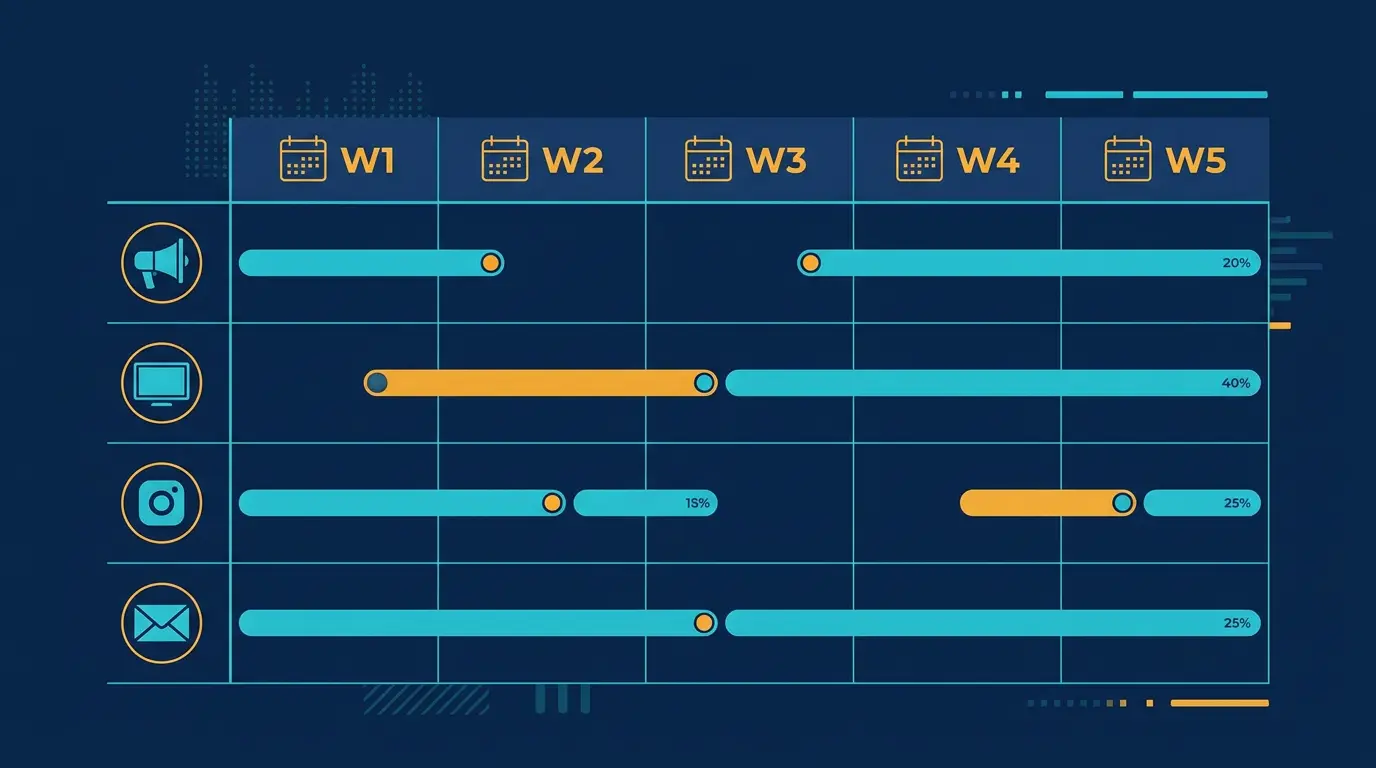
Referral Loops and Viral Mechanics
Word-of-mouth drives most user growth for early-stage dating platforms. Optimize your referral mechanics.
!Referral Loops and Viral Mechanics metrics and performance data for How to Get Your First 1,000 Members on a New Dating *Referral Loops and Viral Mechanics metrics and performance data for How to Get Your First 1,000 Members on a New Dating*
Referral Incentives
Most successful dating referral programs reward both sides:
- Inviter reward: Free premium features (unlimited swipes, see who liked you), reduced ads, or small cash incentive
- Invitee reward: Same - premium features or account credit
Example: "Invite 5 friends. If 3 join, get 3 months of premium free."
Why both sides: The person referring wants something for their effort. The person being referred gets a small push to try. Psychology works both ways.
Referral Mechanics That Drive Growth
Post-match referral prompts: After two people match, prompt them to invite friends. "You two matched! Invite a friend to find your next match." (Note: Be careful with messaging to respect user boundaries.)
In-app sharing: Easy "invite friends" button with pre-written messages. Make sharing to SMS, WhatsApp, Instagram DMs, and email frictionless.
Email follow-ups: After users take some action (create profile, get first match), email them with an invite link.
Social sharing incentives: Small rewards for sharing your platform on social media.
Viral Coefficient
Viral coefficient measures how many new users each existing user brings.
Viral coefficient = Average number of new users per existing user
If each user invites 0.3 others who sign up, your viral coefficient is 0.3.
- Viral coefficient < 1 = no viral growth, you rely on paid ads
- Viral coefficient 1-2 = slow word-of-mouth growth
- Viral coefficient > 2 = strong viral growth
Dating platforms typically see 0.2-0.8 viral coefficients. That's why paid ads matter - organic referrals alone aren't enough.
Improve viral coefficient by making referral rewards clear, making sharing easy, and building community identity ("join the fastest-growing dating community for [demographic]").
Metrics That Matter Early
Most dating sites obsess over DAU (daily active users) and MAU (monthly active users). Early on, different metrics matter more.
Metric Priority for First 1,000 Members
| Metric | Why It Matters | Target |
|---|---|---|
| Signup completion rate | Percentage of people who start signup and finish | >40% |
| Gender ratio | Male/female balance (or your platform's demographics) | 50/50 or better |
| Engagement rate | Percentage of signups who create profile, upload photo, message someone | >50% |
| Retention day 1 | Percentage who return within 24 hours | >20% |
| Retention day 7 | Percentage who return within 7 days | >10% |
| Match rate | Percentage of profiles that match with someone | >30% |
| Conversion to paid | Percentage who upgrade to premium | 5-15% (varies by model) |
| Viral coefficient | Number of new users per existing user | >0.2 |
| Cost per signup | How much paid ads cost per user | <$2 for viral growth |
Focus on retention and engagement over raw signup numbers. 100 highly engaged users beat 500 inactive users.
Key Takeaways
- Solve the chicken-and-egg problem by concentrating. Launch in one city, one demographic, or one community first. Expand only after you've achieved critical mass in that niche.
!Key Takeaways strategy framework for How to Get Your First 1,000 Members on a New Dating *Key Takeaways strategy framework for How to Get Your First 1,000 Members on a New Dating*
- Quality of early users beats quantity. 100 engaged users in your target demographic beat 500 random people. Retention and match quality matter more than raw signups at the start.
- Combine organic and paid strategies. Organic reach takes 3-6 months to compound. Paid ads accelerate growth while you build referral loops and content authority.
- Build community identity early. Users who feel part of something special (early adopters, niche community, exclusive access) stay longer and refer more friends.
- Maintain roughly equal gender ratio or demographic balance. A dating site where 80% of users are one gender fails. Bias your acquisition strategy toward underrepresented segments if skewed.
- Track engagement metrics, not just signups. Retention, message count, match rate, and upgrade rate tell the real story. 50 active users outweigh 500 inactive ones.
- Content marketing works for dating platforms. SEO'd blog posts about dating advice, guides, and niche topics drive awareness and signups without paid ads.
- Referral growth compounds slowly early but accelerates. Day 1 referral rate is near zero. By month 3-4, referrals drive 20-40% of new users in healthy platforms.
- Seeding happens in this industry. If you seed with attractive people, disclose it. Better yet, offer free premium access to real early adopters instead.
- Budget 3-6 months and $5,000-$15,000 to reach your first 1,000 members thoughtfully. Rushing with poor targeting or low-quality users sets you back further than taking time to build a foundation.
Shared pool operators on DatingPartners launch with active members from day one. You focus on brand and paid growth, not cold-start liquidity.
Visit DatingPartners.com →