
Most people who ask me how to start a dating site expect the hard part to be technology. It almost never is. The platform is a solved problem in 2026, and you can license a complete one in an afternoon. The hard part is choosing a niche that can actually support a business, bringing the right audience to it, and keeping members long enough to pay you twice. This guide walks through all twelve steps in the order I would do them, with the costs and timelines you should plan around.
I have been operating dating platforms for 21 years. I launched Smooch.com as a consumer brand and built DatingPartners.com as a provider, so I have seen this process from both the operator seat and the supplier seat. Everything below is written from experience, not theory.
Step 1: Pick a specific niche
The niche is the single most important commercial decision you will make, and most new operators get it wrong by going too broad. A general dating site competing with Match, Bumble, and Hinge is almost impossible to rank in search, almost impossible to advertise profitably, and gives a member no reason to choose you. A niche that is too narrow starves the and the product feels empty.
The sweet spot is a niche big enough to support roughly 40,000 potential monthly organic visitors in your target geography, and specific enough that a member instantly understands the site was built for them. Good examples include dating for single parents, dating for people over fifty, faith based dating for a particular denomination, or dating built around a shared interest such as country living or fitness. Pick a community you genuinely understand, because you will be writing copy, moderating conversations, and making product calls for that audience for years.
Step 2: Validate demand before you build
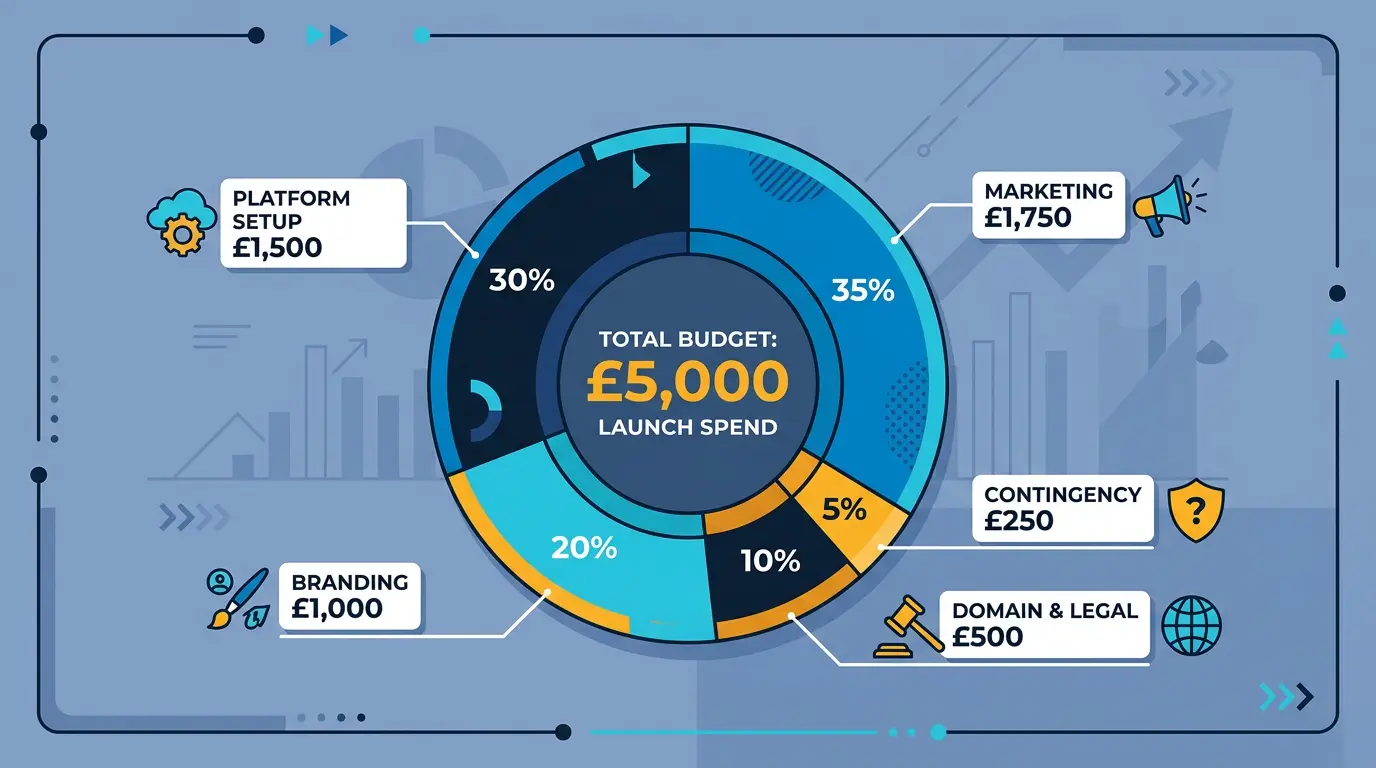
Never build first and test later. Validation in dating is fast and cheap when you do it properly. Spend a few days in keyword research to confirm real search demand exists for your niche, then put up a single landing page that describes the site and invites people to join a waitlist. Drive a small amount of paid traffic to it, perhaps £200 to £400 across Meta or Google, and measure how many visitors give you an email address.
A signup rate above 15 to 20 percent on cold traffic is a strong signal. Below 5 percent and you should rethink the niche or the positioning before spending another penny. This whole exercise costs under £500 and under two weeks, and it is the cheapest insurance you will ever buy. There is a dedicated guide on this site to validating a dating site idea that covers the method in full.
Step 3: Choose white label, custom, or open source
You have three realistic build paths, and the right one depends on your budget, your timeline, and whether you have a genuine technology bet.
| Path | Time to launch | Upfront cost | Member pool | Best for |
|---|---|---|---|---|
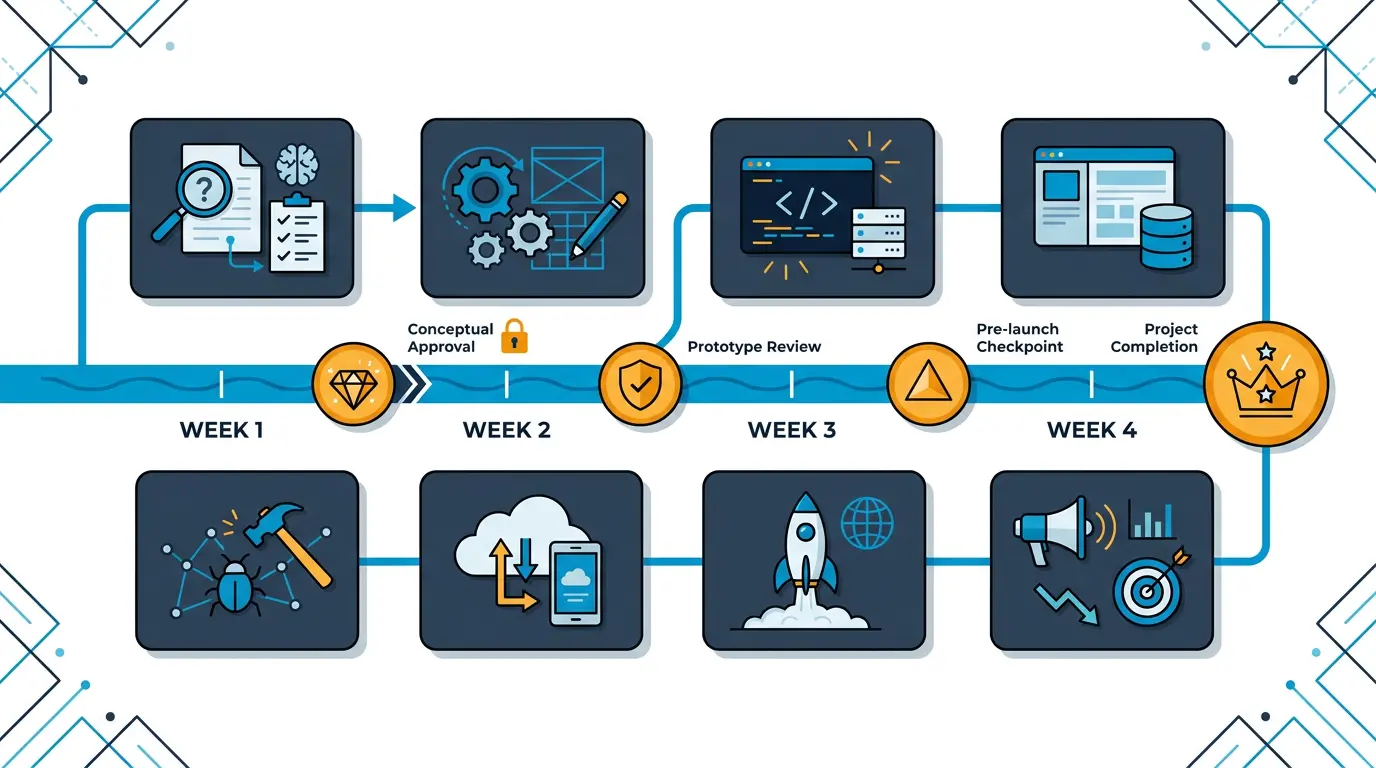
| White label | 2 to 4 weeks | £0 to £5,000 | Shared pool from day one | Niche operators, media owners, first time founders |
| Custom build | 12 to 18 months | £300,000 to £2,000,000 | Empty, build from scratch | Funded teams with a unique product bet |
| Open source | 1 to 3 months | £2,000 to £20,000 | Empty, build from scratch | Technical founders who want full control |
For roughly 95 percent of people starting their first dating site, white label is the correct answer. You license a complete platform, launch under your own brand, and earn a share of member revenue while the provider handles technology, payments, moderation, and compliance. Custom only makes sense if you are well funded and building something genuinely new. Open source suits a technical founder willing to run their own infrastructure and accept an empty database on launch day.
Step 4: Buy the right domain
Your domain is part of your brand and part of your marketing. Aim for something short, memorable, and easy to say out loud. A domain that hints at the niche helps, but do not force an awkward keyword string into it. A clean brandable name ages better than a clumsy exact match domain.
Buy the .com if you can, secure the obvious country variants if your budget allows, and run a quick trademark check before you commit. Expect to spend £10 to £40 on a standard registration, or more if you are buying an aftermarket domain. Do not skip the trademark check. Rebranding after launch is painful and expensive.
Step 5: Set up your legal structure
Operate through a limited company, not as a sole trader. A dating site handles sensitive personal data, takes card payments, and carries real liability, so you want the protection of a separate legal entity from the start. In the UK that means a private limited company, in the US a limited liability company, and similar structures exist elsewhere.
Incorporation is quick and cheap, often under £100 and done in a day. Open a business bank account in the company name, because payment processors and white label providers will expect to contract with the company rather than with you personally. This is also the point to register with your data protection regulator if your jurisdiction requires it, such as the Information Commissioner's Office in the UK.
Step 6: Pick a platform and provider
If you have chosen the white label route, provider selection is where you should slow down and ask hard questions. Not all providers are equal, and the contract terms matter as much as the technology.
Ask five questions before you sign. Can you export your member data at any time in a standard format. What share of the provider's member pool is active in your specific niche and geography. Who runs moderation, and what are the response times for reported abuse. How are chargebacks handled, and does the operator absorb the full loss. What is the exit clause, and is there a non compete attached. Get written answers to all five. A provider that hesitates on data export or hides the exit terms is telling you something important.
Step 7: Brand and design your site
The audience does not care that your platform is white label. They care whether the site feels built for them. Treat brand as seriously as if you were building from scratch. That means a proper logo, a consistent colour system, typography that suits the audience, and a tone of voice that matches the community.
Most white label platforms give you a theme editor and a set of templates. Use them well rather than accepting defaults. Spend real effort on the homepage and the signup flow, because those two pages decide whether a visitor becomes a member. If design is not your strength, a few hundred pounds with a freelance designer for a logo and a colour palette is money well spent.
Step 8: Configure pricing and payments
Most successful niche dating sites in 2026 use a paid or hybrid model rather than pure freemium. A common structure is a free profile with limited messaging, then a subscription that unlocks full communication, priced around £19.99 to £24.99 a month with discounts for longer terms. Pricing varies by niche and geography, and there is a separate pricing guide on this site that goes deeper.
On a white label platform the provider usually handles payment processing, merchant acquiring, tax collection, and subscription billing for you. If you are building independently you will need a payment processor that accepts dating businesses, which is a smaller list than you might expect because the category is treated as elevated risk. Sort this out early, because payment approval can take longer than any other launch task.
Step 9: Set up trust and safety
Trust and safety is not optional and it is not a launch day afterthought. Every dating platform attracts scammers, fake profiles, and bad actors, and regulators now expect you to manage that actively. The UK Online Safety Act is in full force, the EU Digital Services Act is settled law, and GDPR continues to apply to everything you do with member data.
A white label provider typically supplies photo moderation, message screening, reporting tools, age assurance where required, and a documented compliance posture that you inherit. Confirm exactly what is included and what remains your responsibility. If you are building independently, budget seriously for moderation, because doing it properly is the single hardest service to run alone.
Step 10: Prepare your launch marketing
Have your acquisition plan ready before the site goes live, not after. Decide on one primary channel for your first ninety days rather than spreading yourself thin across five. Content and search work well for mature and interest based niches. Paid social works well for younger audiences. Affiliate and partnership work well for broad appeal niches.
Prepare your launch assets in advance. That means a content calendar if you are going the search route, a set of tested ad creatives if you are going paid, and a simple email welcome sequence either way. The waitlist you built in step two becomes your launch day audience, so warm it up with a short series of emails in the week before you open.
Step 11: Acquire your first members
The first hundred to thousand members are the hardest, because the site feels quiet and every conversion is manual effort. On a white label platform the softens this considerably, since members from across the provider network are visible from day one, subject to niche and geographic filtering. That is the single biggest practical reason the model exists.
Focus relentlessly on your one chosen channel. Track signups, the visible to paid conversion rate, and cost per paying member from the first day. Do not panic at early numbers. A new site needs a few weeks of data before the funnel stabilises and you can see what is genuinely working.
Step 12: Iterate, retain, and scale
Once members are arriving, retention becomes the lever that decides whether you have a business or a hobby. A well run dating site keeps members through good onboarding, helpful email and push messaging, fresh content, and steady conversion optimisation. The same platform in two operators' hands will produce very different retention, because operator effort genuinely moves the number.
When one site is stable and profitable, the model scales by repetition. Many of the most successful operators run a small network of related niche sites rather than one large site, because each new site reuses the same playbook and the same infrastructure at almost no extra fixed cost. That is how a solo operator builds a meaningful business from a standing start.
Common mistakes new operators make
The most expensive mistake is choosing a niche that is too broad, which makes both search and paid acquisition unaffordable. The second is spending months on design and product polish before testing whether anyone wants the site at all. The third is treating trust and safety as a box to tick rather than a live operation, which creates regulatory and reputational risk that can end a business overnight.
Two more worth naming. Many operators sign a white label contract without checking the data export and exit terms, then discover they are locked in. And many give up in month two or three because the site feels quiet, when the honest truth is that every dating site feels quiet at the start and the operators who win are simply the ones who keep marketing.
What to read next
If you have not validated demand yet, read how to validate a dating site idea before you build. For the full money picture, see how much it costs to start a dating site. If you want an investor ready plan, use the dating site business plan template. And when you are ready to compare a white label provider, DatingPartners.com offers a no obligation walkthrough of the platform, the revenue share terms, and the onboarding timeline.
Ready to move past the research stage? DatingPartners handles steps 3, 6, 8, and 9 for you out of the box — focus your energy on niche, brand, and acquisition. Book a kickoff call and launch in 72 hours.
Visit DatingPartners.com →