
Why Dating is High-Risk
Payment processors classify dating platforms as "high-risk" because they have:
- High Chargeback Rates: Dating sites have 2-5% rates (vs. 0.5% average). Users dispute charges claiming they didn't use the service or weren't satisfied with results.
- Fraud Exposure: Fraudsters exploit dating sites for money laundering, romance scams, and stolen payment methods.
- Customer Dissatisfaction: Dating is subjective. Users might sign up, use the platform, and then dispute the charge claiming they didn't meet anyone (which the processor can't disprove).
- Regulatory Scrutiny: Dating platforms face varying regulations by jurisdiction, especially around auto-renewal and payment practices.
- Reputational Risk: If a processor is associated with dating, they risk their own reputation with card networks if there's widespread fraud or complaints.
- No Physical Product: Payment processors are more comfortable with tangible goods. Services (especially dating) are harder to dispute.
- Adult Content Concerns: Some processors avoid dating platforms due to adult content or sexuality concerns.
Because of these risks, processors charge higher fees and hold onto money longer via rolling reserves. Reducing chargebacks requires strong identity verification and fraud prevention, which also builds trust signals that increase user confidence.
Payment Processor Options
Tier 1: Mainstream Processors (Easiest)
These processors work with dating platforms but charge higher rates.
Stripe
Stripe accepts dating platforms with reasonable rates and terms.
Pros:
- High volume support
- Good API documentation
- Transparent pricing
- Flexible integration options
- Support for global payments
Cons:
- Higher dating rates (3.0-4.0% + $0.30 per transaction vs. 2.7% + $0.30 standard)
- Rolling reserves up to 15% for 180 days
- May require additional documentation
- May flag accounts for review periodically
Cost: 3.5% + $0.30 per transaction (typical for dating) Rolling Reserve: 10-15% for up to 180 days (typical for high-risk accounts)
Square
Square accepts dating platforms and is straightforward about risks.
Pros:
- Simple pricing
- Good customer service
- Works for small to medium platforms
- Transparent chargeback handling
Cons:
- Higher dating rates (3.5-4.0% + $0.30)
- Rolling reserves common
- May limit transaction volumes
- Less flexible integration
Cost: 3.5% + $0.30 per transaction Rolling Reserve: 10-20% for 180+ days
Tier 2: Specialized High-Risk Processors
These processors specialize in high-risk industries and may have better terms than mainstream processors.
Paysafe (formerly Optimal Payments)
Paysafe is a specialized high-risk processor that actively works with dating platforms.
Pros:
- Specialized in high-risk (dating, adult, gambling)
- Better chargeback protection
- Flexible rolling reserves (negotiable)
- Global payment options
- Fraud detection tools
Cons:
- Higher rates (3.5-5.0% + fees)
- Requires more documentation and underwriting
- Minimum volume requirements
- May decline if chargebacks are high
Cost: 3.5-5.0% + per-transaction fees Rolling Reserve: 5-25% (negotiable based on performance)
Payfirma (Now WorldPay)
Payfirma specializes in subscription and recurring billing, which is common for dating platforms.
Pros:
- Strong recurring billing capabilities
- Good dashboard for subscription management
- Chargeback dispute tools
- High approval rate for dating
Cons:
- Higher rates for high-risk
- Rolling reserves standard
- Integration requires some technical work
Cost: 3.5-4.5% + per-transaction fees Rolling Reserve: 10-15% typical
Worldpay
Worldpay (part of Fiserv) accepts high-risk merchants and has extensive experience with dating platforms.
Pros:
- Enterprise-level support
- Strong fraud prevention
- Flexible terms for established platforms
- Global payments
Cons:
- Requires higher volumes or underwriting
- Higher minimum rates
- Setup is more complex
- Less transparent pricing
Cost: 3.0-5.0% (negotiable) Rolling Reserve: 5-20% (negotiable)
Nexio
Nexio is a newer processor that specializes in high-risk merchants and offers more flexible terms.
Pros:
- Built for high-risk industries
- Fast setup and approval
- Flexible rolling reserves
- Good chargeback tools
- Transparent pricing
Cons:
- Smaller processor (less volume)
- May have fewer integrations
- Support quality varies
Cost: 2.8-4.5% + per-transaction fees Rolling Reserve: 5-15% (negotiable)
Tier 3: ACH and Alternative Payment Methods
If traditional card processors are too expensive or won't work with you, consider alternatives.
ACH Direct Debit
ACH is a bank-to-bank transfer system with lower fees and fewer chargebacks.
Pros:
- Much lower rates (0.5-1.5%)
- Lower chargeback rates (0.1-0.3%)
- Works with bank accounts
- Lower fraud risk
Cons:
- Slower settlement (3-5 business days)
- Users must provide bank account (privacy concerns)
- Lower conversion than credit cards
- Manual underwriting required
Cost: 0.5-1.5% per transaction Best For: Subscription-based platforms where users commit long-term
PayPal/Braintree
PayPal Checkout is available for some high-risk merchants.
Pros:
- User-friendly (many users have PayPal)
- Moderate rates
- PayPal's chargeback protection
- Separate from credit card processing
Cons:
- PayPal may restrict or close accounts
- Not available to all high-risk merchants
- PayPal has its own compliance concerns
Cost: 3.49% + $0.49 per transaction (or variable) Best For: Complementary payment method alongside cards
Cryptocurrency
Bitcoin and other cryptocurrencies are used by some dating platforms.
Pros:
- No chargebacks (irreversible)
- No card networks
- No geographic restrictions
- Anonymous for users
Cons:
- Low adoption (most users prefer credit cards)
- Regulatory uncertainty
- Volatility
- Tax complexity
Cost: 0.5-2.5% per transaction Best For: Niche platforms or international platforms
High-Risk Merchant Requirements
If you want to work with a payment processor as a high-risk merchant, expect these requirements:
Documentation and Underwriting
- Business registration documents
- Tax ID and incorporation papers
- Merchant bank account and routing number
- Business bank statements (last 3-6 months)
- Personal credit check for owner
- Personal identification (passport, driver's license)
- Business address and phone number
Website and Platform Requirements
- Clear terms of service
- Clear privacy policy
- Easy refund and cancellation process (one-click ideal)
- Clear pricing (no hidden fees)
- Age verification (18+ for dating)
- Community guidelines
- HTTPS on all pages
- Professional design and functionality
Operational Requirements
- Live customer support (phone, email, or chat)
- Fraud prevention measures
- Chargeback response process
- Monitoring for high-risk activity
- Regular account audits and reviews
Financial Requirements
- Minimum volume (often $5k-20k per month)
- Proof of revenue
- Projected cash flow
- Personal guarantee from owner
Compliance Requirements
- GDPR compliance (if EU users)
- CCPA compliance (if California users)
- State-specific regulations (auto-renewal, COPPA, etc.)
- No illegal activity
- No payment for illegal services
Rolling Reserves and Holdbacks
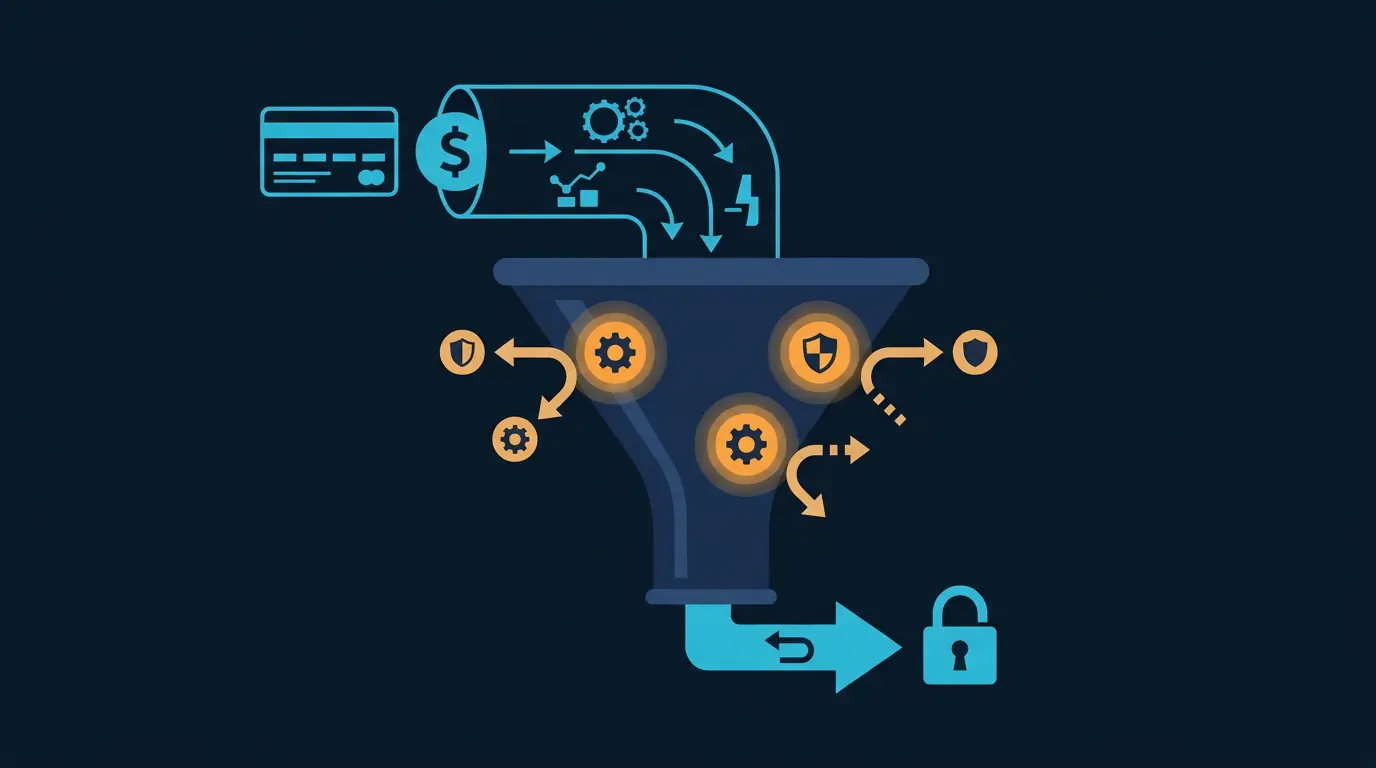
A rolling reserve is when the processor holds a percentage of your revenue for a period of time (usually 180 days). This protects the processor if there's a chargeback or fraud.
How Rolling Reserves Work
Example: You process $100,000 in May with a 15% rolling reserve for 180 days.
- May: You process $100,000. Processor keeps $15,000. You get $85,000.
- June: You process $80,000. Processor keeps $12,000. Plus: The $15,000 from May is released. You get $12,000 + $15,000 = $27,000 (but you're owed $68,000 from June - $12,000 = $56,000... this math gets complex).
The key point: You're always waiting for money. Your cash flow is reduced by the hold amount.
Typical Reserve Terms for Dating
- Amount: 10-25% of processing volume
- Duration: 90-180 days (rolling, meaning it refreshes)
- Triggers: May be released early if chargebacks are low
- Minimum Hold: Often a floor amount (e.g., minimum $10,000 held at all times)
Negotiating Rolling Reserves
Rolling reserves are negotiable, especially if:
- You have low chargebacks: If your chargeback rate is under 1%, processors will negotiate
- You have high volume: $500k+ per month gives you leverage
- You're established: 2+ years of good standing history
- You switch processors: Competing processors may offer better terms
What to negotiate:
- Reduce the hold percentage (15% instead of 25%)
- Reduce the duration (90 days instead of 180)
- Remove or reduce the minimum hold
- Milestone-based releases (lower reserves after 6 months of low chargebacks)
Estimating Cash Flow Impact
If you process $10,000/month with a 15% reserve for 180 days:
- Rolling reserve balance: $15,000 (capped at 6 months of reserves)
- Your cash flow is reduced by $15,000 until you reach steady state
- Once you hit 6 months, you get paid like normal (new month less hold, oldest month released)
This is a significant working capital impact. Plan accordingly.
Chargeback Management
Chargebacks are disputes filed by cardholders with their bank. If chargebacks are too high, processors will terminate you.
Chargeback Reasons for Dating
- Buyer's Remorse: "I didn't meet anyone, so I want my money back"
- Unrecognized Transaction: "I didn't authorize this charge"
- Fraud: "This is fraud" (often legitimate users confused)
- Denied Service: "The app doesn't work"
- Duplicate Charges: "I was charged twice"
Your Chargeback Rate
Chargeback rates are calculated as disputes divided by total transaction volume.
- Industry average: 0.5-1.0%
- Dating platforms: 2-5% (higher because users dispute for satisfaction)
- Red flag threshold: 1.5% (processors may terminate above this)
- Critical threshold: 2.5% (most processors will terminate)
Your processor will monitor this closely.
Reducing Chargebacks
- Clear Communication: Make terms clear before purchase. Emphasize that this is a dating platform, not a guarantee.
- Easy Cancellation: Let users cancel within 24-48 hours. This prevents chargebacks.
- Try Before You Upgrade: Free trial (1-3 days) reduces buyer's remorse.
- Email Confirmations: Send order confirmations immediately. Reduces "unrecognized transaction" claims.
- Transparent Billing: Use clear merchant names and descriptions in billing.
- Refund Policy: Offer a 7-day refund period (reduces chargebacks and increases goodwill).
- Customer Support: Fast support resolves disputes before chargebacks.
Disputing Chargebacks
When you get a chargeback notification:
- Gather Evidence: Collect transaction records, user account data, email confirmations, etc.
- Respond Quickly: Most processors give you 7-10 days to respond
- Submit Dispute: Include evidence that the transaction was legitimate
- Track Outcome: Note whether you won or lost (for pattern analysis)
If you win 50%+ of your disputes, you're doing okay. If you win less, improve your documentation.
Chargeback Reserve
Some processors require you to maintain a chargeback reserve (separate from rolling reserve) if your chargeback rate is high.
- Reserve amount: Usually tied to chargeback rate
- Example: 2% chargeback rate might trigger a 10% reserve on top of rolling reserves
This gets expensive quickly. The goal is to keep chargebacks below 1%.
Payment Gateway Integration
You'll need to integrate a payment gateway to process payments. Options:
Full-Stack Processors
Stripe, Square, Paysafe: They handle both payment processing and gateway.
- Pros: Single integration, one vendor
- Cons: Limited flexibility, vendor lock-in
Payment Processors + Separate Gateway
Some processors work with third-party gateways:
- Processors: Paysafe, Worldpay, Nexio
- Gateways: Elavon, Global Payments, PayPal Commerce Platform
- Pros: More flexibility, better rates sometimes
- Cons: More complex integration, multiple vendors
Key Gateway Features for Dating
- PCI Compliance: Gateway must be PCI Level 1 compliant
- Tokenization: Store payment method safely without storing card data
- Recurring Billing: Automatic monthly charges for subscriptions
- 3D Secure: Extra security for high-risk transactions
- Chargeback Tools: Dispute management and documentation
- Webhooks: Real-time notifications of transactions and disputes
- Dashboard: Reporting and refund capabilities
- API: Developer-friendly for custom integrations
Fee Structures and Negotiation
Typical Dating Platform Fee Structure
| Item | Typical Rate |
|---|---|
| Transaction Fee | 3.0-3.5% |
| Per-Transaction Fee | $0.20-0.50 |
| Monthly Fee | $0-50 |
| Chargeback Fee | $15-25 per dispute |
| Refund Fee | $0-5 per refund |
| Statement Fee | $0-10/month |
| ACH Fee | $0-1.00 per transaction |
!Payment processing risk factors for dating platforms showing chargeback rates, fraud exposure, and regulatory requirements *Payment processing risk factors for dating platforms showing chargeback rates, fraud exposure, and regulatory requirements*
Total Cost Example
Assume: $10,000/month in subscriptions at $9.99/month (1,000 users)
- Transaction costs: $10,000 × 3.5% = $350
- Per-transaction fees: 1,000 × $0.30 = $300
- Chargeback losses: Assume 3% chargebacks, 50% win rate = 15 chargebacks × $20 = $300
- Refunds: Assume 2% refund rate = 20 refunds × $0 = $0
- Total: $950/month (9.5% of revenue)
Add rolling reserves and you're actually receiving less.
Negotiating Fees
Once you're established, you can negotiate:
- Volume Discounts: Higher volume gets lower rates
- Chargeback-Based Rates: Lower rates if you keep chargebacks under 1%
- Bundled Services: Lower rates if you bundle payment processing with other services
- Multi-Year Contracts: Lock in rates for 2-3 years
Leverage: You can always switch to a competitor.
Fraud Prevention
Fraud costs money and increases chargebacks. Prevention is critical.
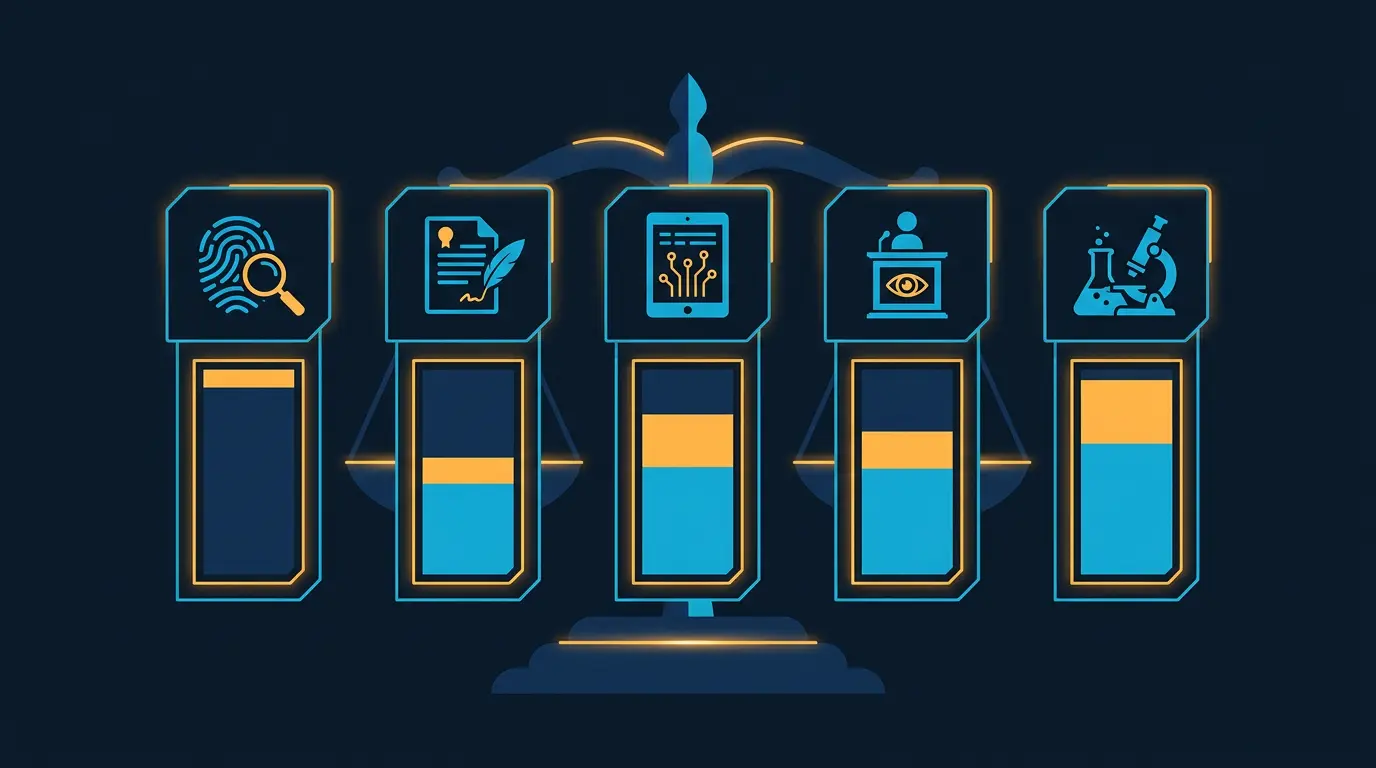
Fraud Detection Tools
- 3D Secure: Extra authentication for high-risk transactions
- AVS Matching: Verify address matches card registration
- CVV Verification: Verify card security code
- Velocity Checking: Flag multiple transactions from same card/IP in short time
- AI Fraud Scoring: Machine learning to detect suspicious patterns
- Geolocation Checks: Flag transactions from unusual locations
Fraud Prevention Best Practices
- Verify Age and Identity: Reduce underage account signups and fake profiles
- Monitor for Abuse Patterns: Flag accounts sending many "first messages" or high message volume
- Block Known Fraud Cards: Use lists of compromised payment methods
- Monitor for Resellers: Users buying credits and reselling them
- Limit Refunds: Don't allow unlimited refunds (reduces fraud)
- Monitor Chargebacks: High chargeback patterns indicate fraud
Payout and Settlement
When your processor pays you depends on your settlement cycle.
Settlement Cycles
- T+1: Paid next business day (rare for high-risk)
- T+2: Paid in 2 business days (common)
- T+3: Paid in 3 business days (common)
- T+7: Paid in 7 business days (typical for high-risk)
- Monthly: Paid once per month (some high-risk processors)
High-risk merchants typically get T+3 or slower.
Payout Methods
- Direct deposit to business bank account (standard)
- ACH transfer
- Wire transfer (usually has fees)
Factors Affecting Payout Speed
- Volume and transaction pattern
- Chargeback rate and history
- Rolling reserve balance
- Settlement cycle terms
Faster payout = more expensive (higher fees). You're trading cost for cash flow.
Payment Processors by Region
United States
- Stripe (nationwide, but dating may have limitations)
- Square (nationwide)
- Paysafe (nationwide, high-risk friendly)
- Worldpay (nationwide, enterprise)
- Nexio (nationwide, high-risk friendly)
Europe (SEPA)
- Stripe (SEPA + local bank networks)
- Adyen (broad European support)
- Wise (cross-border payments)
- Local Processors: Depends on country
Be aware of GDPR when choosing a processor. Ensure they have data processing agreements.
Asia-Pacific
- Stripe (available in many countries)
- 2Checkout (Verifone, broad support)
- Alipay/WeChat (China)
- Wise (cross-border)
Latin America
- Stripe (available in select countries)
- 2Checkout
- Local processors: Vary by country
Key Takeaways
- Dating is classified as "high-risk" due to high chargebacks, fraud exposure, and customer dissatisfaction
- Mainstream processors (Stripe, Square) accept dating but charge higher fees and rolling reserves
- Specialized processors (Paysafe, Nexio) may offer better terms for high-risk merchants
- Rolling reserves tie up 10-25% of your revenue for 90-180 days (significant cash flow impact)
- Chargeback rates above 1.5% trigger processor scrutiny; above 2.5% often results in termination
- Reduce chargebacks through clear communication, easy cancellation, and fast customer support
- Negotiate fees and rolling reserves once you're established with sustained low chargebacks
- Use fraud prevention tools (3D Secure, AVS, velocity checking) to reduce losses
- Different processors have different strengths; build relationships with multiple vendors
- Budget 8-12% of revenue for total payment processing costs (fees + chargebacks + reserves)
- Plan for cash flow impact of rolling reserves when forecasting
- Having a solid business model (transparent pricing, easy cancellation) reduces fees and processing friction
Payment processing is one of the biggest operational challenges for dating platforms. Get it right early, and you'll have working capital to grow.
Cross-link to: Prevent Romance Scams, PCI-DSS Compliance for Dating Sites, AML and Dating Platforms
DatingPartners chargeback alerts and representment toolkit cut disputes fast.
Visit DatingPartners.com →