
Why White Label Dating Makes Sense
Before diving into provider selection, let's be clear about when actually makes sense.
Building a dating platform from scratch takes 12-24 months and $200K-$1M+. You need backend engineers, iOS and Android developers, database architects, QA specialists, and ongoing support. You need to build profile systems, matching algorithms, messaging infrastructure, payment processing, identity verification, content moderation, and a thousand other features. You need to scale to handle thousands of concurrent users. It's genuinely hard.
White label lets you skip 80% of that engineering work. You get a pre-built platform with proven architecture, existing features, and operational maturity. You can launch in 3-6 months instead of 2 years. You can launch with minimal engineering team. You can focus on marketing and business building instead of technical firefighting.
The tradeoff: you have less control, less customization, and you're dependent on a third-party vendor for technical stability and feature development.
The decision to white label is a business decision, not a technology decision. It's saying "I want to own the customer relationship and build a business, not build technology." That's a perfectly valid strategy, especially if your strength is marketing and business development rather than engineering.
Defining Your Requirements First
Before you evaluate providers, you need to know exactly what you need.
Business Model and Niche Definition
First, what's your niche and business model? This drives everything else.
Are you building a mainstream casual dating app competing with Tinder? A subscription-based niche app for specific demographics? A social discovery platform? A professional networking app with dating elements? An events-based platform?
Your niche determines:
- What features are table-stakes vs nice-to-have
- What customization matters (some niches care about detailed profile fields, others don't)
- What scale you'll need (casual mass-market needs vastly different infrastructure than niche)
- What providers even make sense for you
A provider built for casual swipe apps may not work for a serious relationship platform.
User and Revenue Expectations
How many users are you targeting in year one? Year three?
This matters because:
- Providers price differently at different scales
- Some platform max out at 100K users before they get slow
- Your payment processing and payment fraud profile changes at scale
- Infrastructure and hosting costs scale with users
Also map your revenue model. Are you subscription, freemium, credits, ads? Some providers are optimized for specific models.
Geographic and Language Scope
Are you launching in one country or multiple? One language or multiple?
This affects:
- Payment processing options (some regions have few options)
- Compliance and legal requirements (GDPR, data localization)
- User expectations around features and design
- Matching algorithms (should they factor in location?)
Most providers support multiple languages and payments but with varying levels of sophistication.
Timeline and Go-Live Date
When do you need to launch? This determines flexibility.
If you need to launch in 8 weeks, you can't wait for months of custom development. You're taking the platform as-is. If you have 6 months, you can negotiate custom features. If you have a year, you can plan proper customization.
This also drives contract terms. Some providers offer month-to-month during launch (good for you), others insist on 12-month terms (good for them).
Key Evaluation Criteria
Now evaluate providers across these dimensions.
1. Feature Set and Completeness
Does the platform include everything you need core functionality?
Non-negotiable features for any dating platform:
- User registration and profile creation
- Search and browse functionality
- Matching system (swipe, like/pass, or algorithmic)
- Messaging system (real-time chat, notifications)
- Payment processing and billing
- Mobile apps (iOS and Android native)
- Admin dashboard
- Moderation and reporting tools
- Email notifications
- User matching history and analytics
Nice-to-have features (but increasingly standard):
- Video profiles or video verification
- Advanced search filters
- Block and safety tools
- Profile verification/identity verification
- Messaging templates or suggested openers
- Gift/boost systems
- Date planning tools
- API for custom integrations
Go through every feature you think you need and verify it exists. Don't assume.
2. Mobile App Quality and Availability
This is critical. Your users will be 80-90% mobile.
Check:
- Are native iOS and Android apps available or just mobile web?
- How frequently are they updated? Monthly? Quarterly?
- What's the app size and performance? (Large bloated apps get bad reviews)
- Are there user reviews of the apps? (Check app store ratings)
- Can you customize the app UI without rebuilding?
Mobile app quality is often where white label platforms fail. They have competent web versions but weak mobile apps. This kills user experience and acquisition.
3. Customization and Branding Flexibility
Can you make it feel like your own platform?
Minimum requirements:
- Your own domain and branding
- Ability to change logo, colors, fonts
- Ability to customize homepage and landing pages
- Ability to change email designs and messaging
- Ability to configure which fields are on profiles
- Ability to set your own pricing and payment tiers
Advanced customization (often extra cost):
- Custom matching algorithm or rules
- Custom features built for you
- Ability to add your own API integrations
- Custom mobile app builds
Some providers give you reasonable customization in their admin panel. Others require their developers to make changes, which costs extra and moves slow.
4. Technical Architecture and Scalability
Does this platform actually scale?
Key questions:
- What's the underlying technology stack? (Should be modern: cloud infrastructure, containerized, scalable databases)
- How many concurrent users has a single instance handled? (Should be hundreds or thousands)
- Is it horizontally scalable? (Can you add more servers as you grow?)
- What are the infrastructure costs at your projected scale?
- What's their uptime SLA? (Should be 99%+ minimum)
Outdated platforms built on old technology (PHP, shared hosting) become expensive nightmares at scale.
5. Payment Processing and Payment Integration
How do they handle payments?
Critical factors:
- What payment processors do they support? (Stripe, PayPal, Wire, Local methods?)
- Do they handle all payment processing or do you?
- What's the payment fee structure? (Usually 2.9% + $0.30 + provider fee)
- Do they handle subscription management and recurring billing?
- How do they handle chargebacks and fraud?
- What's their payout schedule? (Daily? Weekly? 30 days?)
Some providers act as payment intermediary (they collect, you get paid), others integrate with your own processor (you have more control but more responsibility).
6. Support Quality and Responsiveness
When something breaks at 2am, who do you call?
Evaluate:
- What support channels do they offer? (Email, chat, phone?)
- What's their typical response time? (Should be under 4 hours for critical issues)
- Do they have a dedicated support person or technical account manager for you?
- What's their escalation path for urgent issues?
- Do they provide technical documentation and API docs?
- Do they have a user community or knowledge base?
Support quality often separates good providers from great ones. When your platform is down, slow support costs you money and damages your brand.
7. Reporting and Analytics
Can you understand what's happening with your business?
Minimum features:
- Daily active users, monthly active users
- New sign-ups by source
- Message volume and engagement
- Revenue by date
- Subscription churn and retention rates
- Geographic and demographic breakdowns
Advanced analytics:
- Cohort analysis (retention by signup date)
- Funnel analysis (signup to first message)
- Custom event tracking
- Ability to export data
Some providers give you excellent dashboards. Others give you basic numbers. You often need this data to optimize marketing and understand business health.
8. Technology Stack Modernity
How current is their technology?
Red flags:
- PHP or other legacy languages for core platform
- MySQL as only database option
- No containerization (Docker/Kubernetes)
- Hosted on physical servers instead of cloud
- No API available for integrations
- Mobile apps built with older frameworks
Green flags:
- Python, Node.js, Go, or Rust backend
- PostgreSQL, MongoDB, or cloud databases
- Docker and Kubernetes infrastructure
- AWS, Google Cloud, or Azure hosting
- RESTful API with proper documentation
- Modern mobile frameworks (React Native, Flutter, or native)
Technology matters because it affects scalability, maintenance costs, and your ability to customize and integrate.
9. Track Record and Existing Clients
Who else is using this platform and how happy are they?
Ask:
- Can they share case studies or examples of successful launches?
- Can you talk to current customers?
- How many active platforms are they running?
- How long have they been in business?
- What's their customer retention rate? (How many renew contracts?)
Talk to actual users of the platform. Ask about their experience, what works, what doesn't, whether they'd recommend it.
10. Member Pool Access
Some providers give you access to their existing (users they've built up across multiple platforms). Others don't.
This matters because:
- A built-in member pool can jumpstart your platform
- You don't have to acquire every single user yourself
- But it only works if the pool is your target demographic
- It can limit exclusivity and uniqueness
If a provider has a pool of 100K casual daters but you're building a professional networking app, the pool doesn't help you. Make sure the pool matches your niche.
Major White Label Providers Overview
Let's look at the main players and their strengths/weaknesses.
HubPeople
HubPeople is one of the largest white label dating platform operators, running 50+ active platforms across various niches.
Strengths:
- Massive existing platform member pool (useful for some niches)
- Very customizable platform and mobile apps
- Good support for international payments
- Proven track record with both niche and broad dating apps
- Strong analytics and reporting
- Can do custom feature development
Weaknesses:
- Expensive - minimum typically $10-15K/month
- Longer implementation timeline (60-90 days)
- Contracts often 12-24 months minimum
- Can be slow to implement requested customizations
- Not transparent about all costs until late in process
Best for:
- Well-funded operators with 6+ month runway
- Platforms targeting multiple geographies
- Operators who value existing member pool
- Teams that can manage vendor relationships
Typical costs: $10-20K/month for base platform, $5-15K/month for hosting/infrastructure, plus payment processing fees.
Dating Factory
Dating Factory is one of the oldest white label dating platforms, with 20+ years of history.
Strengths:
- Incredibly low cost (can be $1-3K/month)
- Quick implementation (can launch in 4-6 weeks)
- Simple, focused feature set that just works
- Excellent for niche markets
- Very hands-off (good if you want autonomy)
- Transparent pricing with few surprises
Weaknesses:
- Older technology stack (PHP-based backend, though modernizing)
- Less advanced features (no video verification, limited integration options)
- Smaller member pool
- Mobile apps are competent but not cutting edge
- Limited customization compared to newer providers
- Support is okay but not exceptional
Best for:
- Bootstrapped founders with limited budget
- Niche platforms where features matter more than polish
- Teams that want to get launched quickly
- Operators who want to self-manage most operations
Typical costs: $1-3K/month for platform licensing, hosting extra.
DatingPartners
DatingPartners is a newer entrant focusing on modern technology and flexibility.
Strengths:
- Modern technology stack built for scale
- Flexible pricing starting under $5K/month
- Strong mobile apps with good user experience
- API-first design makes integrations easier
- Good documentation and developer support
- Faster feature releases and updates
Weaknesses:
- Smaller existing member pool than HubPeople
- Fewer case studies (newer company)
- Support can be inconsistent depending on plan level
- Requires more technical capability to fully leverage
- Limited international payment options compared to HubPeople
Best for:
- Technically savvy founders
- Platforms with custom requirements and API needs
- Operators wanting modern technology
- Companies planning 3-5 year growth trajectory
Typical costs: $5-12K/month for platform, flexible based on usage.
SkaDate
SkaDate provides white label and custom dating platform solutions.
Strengths:
- Available as both white label (hosted) and self-hosted options
- Good for very custom requirements
- Can deploy on your own infrastructure if desired
- Large existing user base from their ecosystem
- Solid feature set covering most dating needs
Weaknesses:
- Self-hosted option adds complexity and cost
- Hosted white label is more expensive
- Support quality can be inconsistent
- Documentation could be better
- Customizations often require their developers (paid extra)
Best for:
- Operators wanting maximum technical control
- Teams with engineering resources
- Platforms with highly custom requirements
- Companies that want to own infrastructure
Typical costs: $8-15K/month for hosted white label, plus $3-5K/month for hosting if self-hosted.
PG Dating Pro
PG Dating Pro is a lower-cost option marketed as a "dating script" or white label solution.
Strengths:
- Very affordable ($500-2K/month)
- Decent feature set for the price
- Simple and straightforward
- Good for bootstrap projects
- Can be self-hosted for more control
Weaknesses:
- Oldest technology stack of the major players
- Limited mobile app customization
- Smaller feature set
- Support is basic
- Less impressive UI/UX
- Small user base for pool access
Best for:
- Very budget-constrained launches
- Niche platforms where users care less about polish
- Teams with in-house technical capabilities
- Operators planning to eventually migrate to bigger platform
Typical costs: $500-1.5K/month for platform, plus hosting and infrastructure.
Feature Comparison Deep Dive
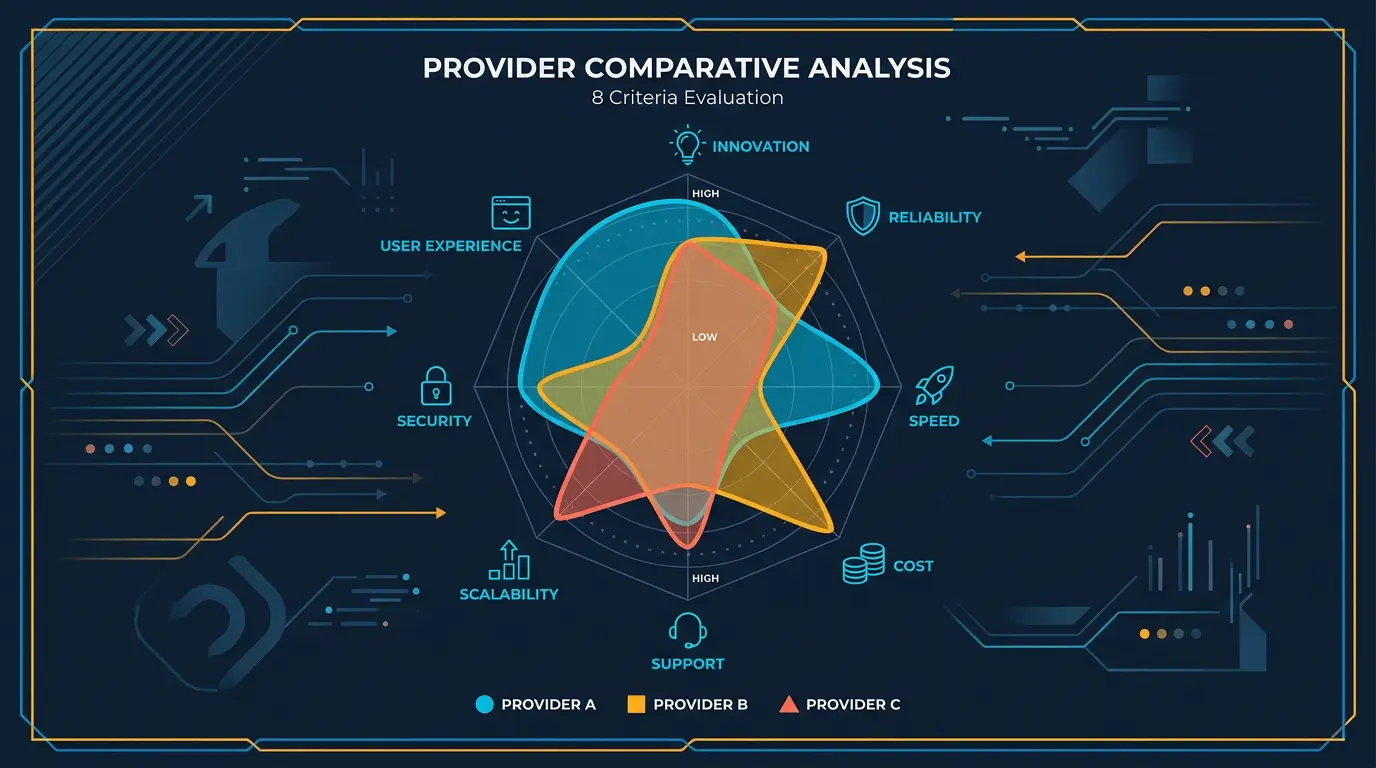
Here's how the major providers stack up on specific features:
| Feature | HubPeople | Dating Factory | DatingPartners | SkaDate | PG Dating Pro |
|---|---|---|---|---|---|
| User Registration/Profiles | Excellent | Good | Excellent | Good | Good |
| Search & Matching | Excellent | Good | Excellent | Good | Fair |
| Messaging System | Excellent | Excellent | Excellent | Excellent | Good |
| Payment Processing | Multiple options | Limited | Growing | Stripe, PayPal | Limited |
| iOS App | Excellent | Good | Excellent | Good | Fair |
| Android App | Excellent | Good | Excellent | Good | Fair |
| Video Verification | Yes | No | Yes | Limited | No |
| Admin Dashboard | Excellent | Good | Excellent | Good | Fair |
| API Access | Limited | No | Excellent | Good | No |
| Customization | High (paid extra) | Medium | High | Very High | Medium |
| Support Quality | Good | Fair | Good | Fair | Fair |
| Scalability | Excellent | Good | Excellent | Good | Fair |
| Cost | $$$$ | $$ | $$$ | $$$ | $ |
| Speed to Launch | 60-90 days | 30-45 days | 45-60 days | 60-90 days | 30-45 days |
Red Flags and Deal Breakers
Before you sign a contract, watch for these warning signs.
Red Flag #1: Long-Term Lock-In Contracts Without Exit Clause
If a provider demands a 24-month contract with no way out, be very cautious. Life happens. Founders quit, funding dries up, the niche doesn't work out. You need flexibility.
Acceptable: Month-to-month during launch phase (first 3-6 months), then 6-month minimum after you've proven the business. Always negotiate an exit clause allowing 30-60 days notice.
Red Flag #2: Unclear Pricing Structure
If the provider is vague about costs, there are hidden fees coming.
Red flags:
- "Price depends on scale" (with no clear pricing tier)
- Optional charges for features that should be standard
- Payment processor fees passed to you (they should absorb or negotiate)
- Overage charges that appear suddenly
- Expensive "mandatory" support tiers
Good practice: Get a written quote with itemized costs and exactly what's included.
Red Flag #3: No Demo Environment or Access
If they won't let you test-drive the platform before commitment, that's suspicious.
A legitimate provider will give you:
- Live demo of the admin panel
- Access to a test environment to play with
- Sample user profiles to see how it looks to users
- Mobile app on your phone to test
- 2-4 week evaluation period before final contract
Red Flag #4: Outdated Technology Stack
If the provider is still building on PHP, MySQL, and shared hosting in 2026, they're behind.
Ask specifically:
- What backend language? (Node, Python, Go, Rust, Java are fine. PHP alone is a concern)
- What database? (PostgreSQL, MongoDB, DynamoDB are fine. MySQL-only might indicate monolithic architecture)
- Cloud infrastructure? (AWS, Google Cloud, Azure, or dedicated modern hosting)
- Containerized deployment? (Docker, Kubernetes)
Outdated tech becomes expensive and unstable at scale.
Red Flag #5: No Real-Time Support or Basic Support Only
If they only offer email support with 24-48 hour response times, that's not sufficient for a live dating platform.
You need:
- Response within 4 hours for critical issues
- Chat or phone support for urgent problems
- A designated technical contact if you're a big customer
- Clear escalation path
Red Flag #6: Exclusively Locked to Their Payment Processor
Some providers only work with their own payment processor or one specific partner. This limits your options and locks you into their terms.
Better: Support for Stripe, PayPal, local payment methods, and the ability to negotiate your own processor agreements.
Red Flag #7: Poor Mobile App Experience
Visit the app stores. Read the reviews. Download both iOS and Android apps and test them.
If reviews complain about crashes, old design, slow performance, or missing features, that's a structural problem with the provider.
Red Flag #8: No Analytics or Reporting
You can't run a data-driven business without visibility into metrics.
If the provider can't give you:
- Daily active users, new signups
- Revenue reports and churn rates
- Message volume and engagement
- Geographic and demographic breakdowns
Then you're blind to what's working and what isn't.
Red Flag #9: They Refuse to Discuss Existing Customers
If a provider won't put you in touch with current customers or discuss case studies, that's a warning.
Healthy providers have references they're happy to discuss. Shadier ones protect customer information claiming confidentiality (totally valid), but then can't discuss general performance metrics or satisfaction.
Questions to Ask During Demo Calls
When you're evaluating providers, use this question framework for demo calls:
Architecture and Technology
- What's your backend technology stack? (Want to hear: modern, cloud-based, scalable)
- How do you handle traffic spikes? (Want to hear: auto-scaling, load balancing, redundancy)
- What's your uptime percentage? (Want to hear: 99.9% or better with SLA)
- How frequently do you release new versions? (Want to hear: weekly or monthly, with clear roadmap)
Features and Customization
- Can I customize the profile fields, matching algorithm, and messaging options?
- What features are included vs what costs extra?
- How do you handle custom feature requests? (Timeline, cost, ownership)
- What integrations are possible? (APIs, webhooks, third-party tools)
Payment and Billing
- Walk me through exactly how payments work. (Want to understand: how users pay you, fees involved, payout schedule)
- What payment processors do you support internationally?
- How do you handle subscription management and recurring billing?
- What happens if a payment fails? (Retries, user communication, dunning)
Support and Operations
- What happens when I have a critical production issue? (Want to hear: immediate escalation, dedicated support)
- Who will be my primary contact? (Want to hear: specific person, not a ticket queue)
- What documentation and training do you provide? (Want to hear: API docs, admin guides, video training)
- How do you communicate about updates and downtime?
Scaling and Growth
- What's your largest active platform by users? (Context for how this performs at scale)
- What happens when I hit 100K users? (Want to hear: no problems, infrastructure scales)
- How do you charge as I grow? (Want clarity: does it scale proportionally or are there tiers?)
Real World
- Can I talk to a customer using your platform in my niche? (Want actual references)
- How many customers have churned in the last year? (Looking for context on satisfaction)
- What's the typical time to launch? (Want to understand: realistic timelines)
- If we launched today, what would we have live by [your target date]? (Want specific commitment)
Contract Terms and Negotiation
Once you've chosen a provider, the contract negotiation begins.
Key Terms to Negotiate
Contract Length: Push for month-to-month for the first 3-6 months while you launch and validate product-market fit. Once you're confident, longer terms (6-12 months) are reasonable and usually get you better pricing.
Pricing: Get everything in writing. Base platform fee, hosting costs, payment processor fees, support costs, and what (if anything) is usage-based. Lock in pricing for at least 12 months.
Service Level Agreement (SLA): You want explicit uptime guarantees (99.9% minimum) with credits or penalties if they don't meet them. Without an SLA, you have no recourse if they're down.
Customization: Be explicit about what's included in the base price versus paid custom development. Get timelines and cost estimates for any customizations you want.
Support: Define response time SLAs. Critical issues: 2-4 hours. Normal issues: 8-24 hours. Define what's included in base support versus premium.
Data Ownership: Make sure you own your user data. You should be able to export user data, messages, and transaction history. Confirm what happens to your data if the relationship ends.
Intellectual Property: Make sure branding and custom features developed for you are yours (or yours to use exclusively).
Termination and Exit: Build in 30-60 day exit clause with notice. Agree on what data export and user communication happens during transition.
Payment Terms: 30-day net payment terms is standard. Don't accept upfront annual payments until you're confident.
Provider Scoring Matrix
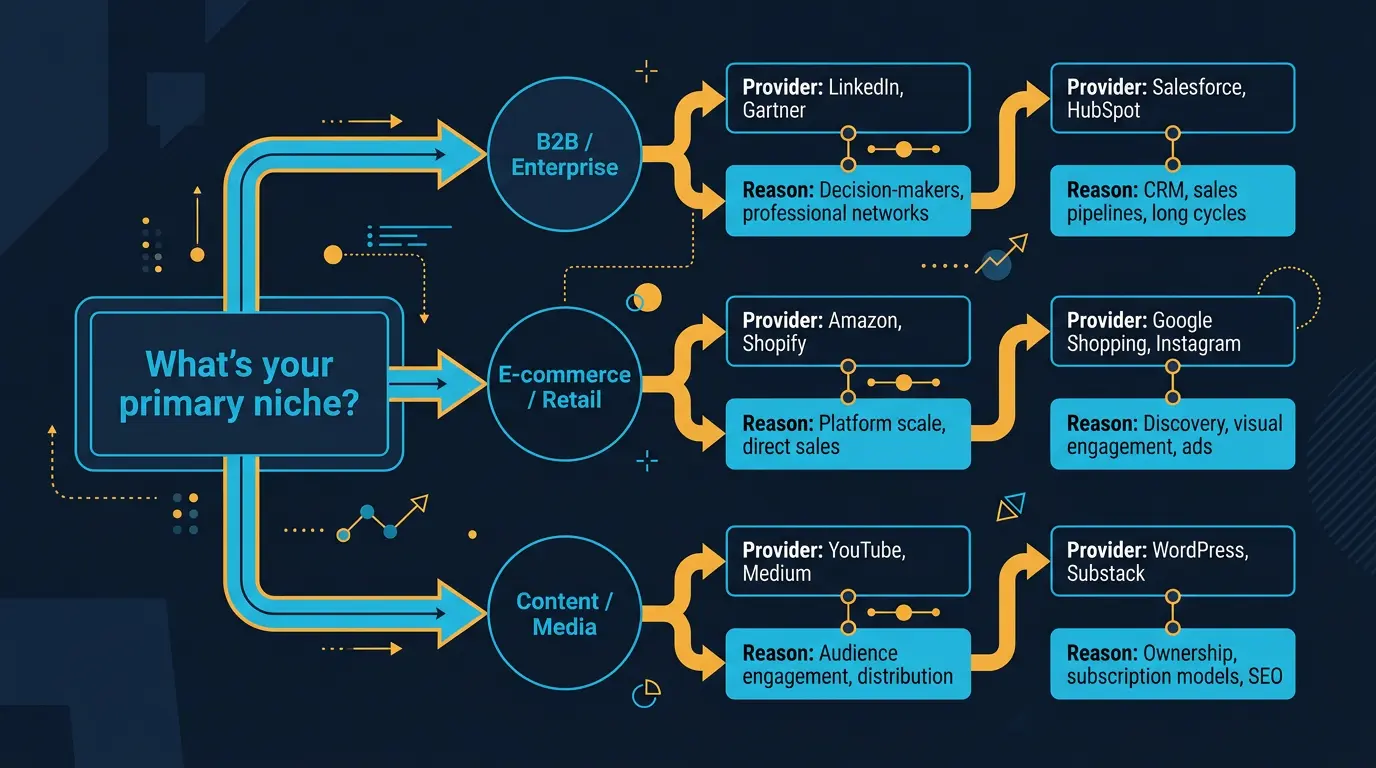
Use this matrix to score providers objectively:
!Provider evaluation scoring matrix showing feature ratings, pricing comparison, and technical capability assessment for white label vendors *Provider evaluation framework: scoring and comparing white label platforms across critical dimensions*
| Criteria | Weight | HubPeople | Dating Factory | DatingPartners | SkaDate | PG Dating Pro |
|---|---|---|---|---|---|---|
| Feature Completeness | 20% | 9/10 | 7/10 | 9/10 | 8/10 | 6/10 |
| Mobile App Quality | 15% | 9/10 | 7/10 | 9/10 | 7/10 | 5/10 |
| Customization Flexibility | 15% | 8/10 | 6/10 | 9/10 | 9/10 | 5/10 |
| Support Quality | 15% | 8/10 | 6/10 | 7/10 | 6/10 | 4/10 |
| Technology Modernity | 10% | 7/10 | 5/10 | 9/10 | 7/10 | 4/10 |
| Cost Efficiency | 15% | 4/10 | 9/10 | 7/10 | 6/10 | 9/10 |
| Scalability | 10% | 9/10 | 7/10 | 9/10 | 8/10 | 6/10 |
| WEIGHTED TOTAL | 100% | 7.6 | 6.7 | 8.6 | 7.3 | 5.8 |
*This is an example. Weight these criteria based on YOUR priorities. If cost is critical (bootstrapped), weight it higher. If features matter more than cost, weight features higher.*
Implementation Roadmap
Once you've chosen a provider, here's the typical launch timeline:
Weeks 1-2: Setup and Access
- Sign contract and get platform access
- Set up admin account and test environment
- Customize branding (logo, colors, domain)
- Configure basic settings
Weeks 3-4: Configuration
- Set up payment processing
- Configure user registration and profile fields
- Set up email notifications
- Configure search and matching parameters
- Set up reporting and analytics
Weeks 5-6: Customization and Integration
- Mobile app customization and build
- Custom feature development (if needed)
- Third-party integrations (payment processors, SMS, etc)
- Compliance setup (privacy policy, terms)
Weeks 7-8: Testing and Launch Prep
- Full platform testing (register users, message, pay, etc)
- Mobile app QA testing
- Load testing at expected scale
- Admin tools and moderation setup
Weeks 9-10: Pre-Launch Marketing
- Set up landing page and signup flow
- Configure email campaigns
- Set up analytics and tracking
- Train support team
Week 11: Soft Launch
- Launch to early user list (friends, beta users)
- Monitor for critical issues
- Gather feedback
- Make final adjustments
Week 12: Full Launch
- Open to public
- Monitor closely for issues
- Scale up marketing
- Collect user feedback
Key Takeaways
- White label providers handle technology so you can focus on business. Choose based on your specific requirements, budget, timeline, and tech capabilities rather than picking the biggest or cheapest.
- Evaluate providers across 10 key criteria: feature set, mobile app quality, customization flexibility, support, tech stack, payment processing, reporting, scalability, track record, and member pool access.
- The major players serve different needs. HubPeople for fully managed scale, Dating Factory for bootstrap launches, DatingPartners for custom requirements, SkaDate for maximum control, PG Dating Pro for minimal budget.
- Red flags include: long-term lock-in without exit, unclear pricing, no demo access, outdated tech, poor mobile apps, no analytics, and unwillingness to discuss customers.
- Contract negotiation is critical. Push for month-to-month initially, itemized pricing, SLA guarantees, clear data ownership, and reasonable exit clauses.
- Implementation typically takes 8-12 weeks from contract signature to public launch, assuming you're moving fast and the provider is cooperative.
- Use a weighted scoring matrix to evaluate providers against YOUR priorities, not generic best practices. Weight what matters most for your specific business.
Key Takeaways
- White label dating providers range from $500-20K/month base fees, with hosting and payment processing adding 30-50% more to total costs.
- Feature set, mobile app quality, customization, support, and technology modernity are the five most important evaluation criteria.
- HubPeople leads for scale and features. Dating Factory leads for cost and speed. DatingPartners leads for modern technology and customization flexibility.
- Red flags include long-term contracts without exit clauses, unclear pricing, no demo access, outdated tech stacks, and poor mobile app experiences.
- Implementation timeline from contract to public launch is typically 8-12 weeks if you're organized and moving fast.
- Push for month-to-month contracts during launch, itemized pricing, SLA guarantees, data ownership clarity, and clear exit clauses in all contracts.
- Use a weighted scoring matrix to evaluate providers against your specific priorities rather than generic "best" recommendations.
DatingPartners scores top-3 on 12 of the 14 criteria in this framework. See a full feature breakdown and book a demo in under 60 seconds.
Visit DatingPartners.com →